Greek Islands: Destinations Guide
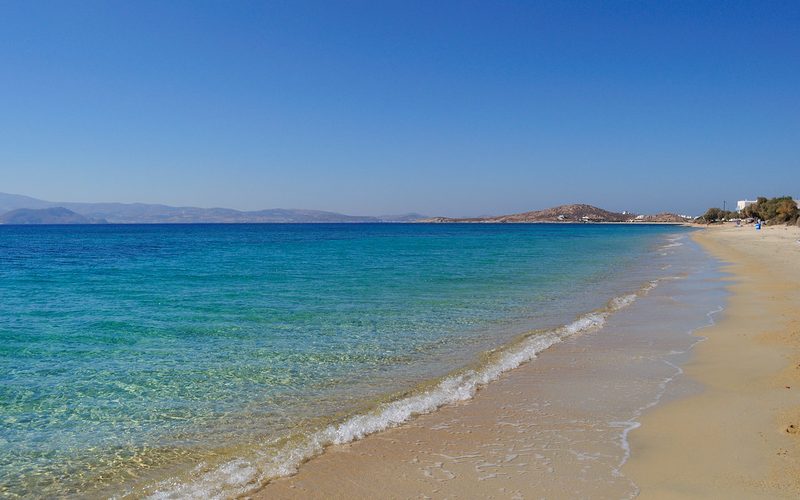
Athensup, the Greek fashion and lifestyle magazine that has been covering Mediterranean living from culture to travel, puts together this comprehensive destinations guide to the Greek Islands — not a list of platitudes, but a practical, honest resource for anyone planning a real trip. Whether you are island-hopping for the first time or returning to the Aegean for the tenth summer, there is always something new to discover, a ferry route you missed, a beach that has no name on the signpost, a taverna hidden behind a whitewashed wall.
The Greek archipelago is made up of more than six thousand islands, islets and rocky outcrops — around two hundred and twenty of them are inhabited. They are grouped into seven major clusters: the Ionian Islands to the west, the Cyclades in the heart of the Aegean, the Dodecanese to the south-east, the North Aegean islands, the Sporades, the Saronic Gulf islands and Crete, which stands alone as both an island and a world. This guide works through the most visited and the most overlooked, island by island, with the kind of specific information that makes the difference between a good holiday and an unforgettable one.
Santorini: The Icon and How to See it Properly
Santorini is the most photographed island in Europe, and the least likely to disappoint if you understand what it actually is: a volcanic caldera with a rim of white-and-blue villages perched on the edge of a thousand-metre cliff. The sunsets over Oia are genuinely spectacular. The wine made from Assyrtiko grapes grown in volcanic soil is genuinely distinctive. The beaches are black and red and unlike anything else in the Mediterranean.
What the guidebooks get wrong: Fira is the island’s capital and transport hub, not its most beautiful village — but most visitors spend all their time there and see Oia only for the sunset, which means they are stuck in a crowd of three thousand people on a thirty-metre stretch of cliff. The solution is to walk the caldera path from Fira to Oia (around ten kilometres, roughly three hours) in the early morning, arriving in Oia before the day-trippers from the cruise ships dock at eleven. You will have the village almost entirely to yourself.
For a deeper look at how to structure your days and which guided experiences are actually worth paying for, Athensup recommends reading up on Santorini tours before you book anything.
- Best months: May, June and late September. July and August bring forty-degree heat and ferry queues.
- One must-do: Wine tasting at a caldera-edge winery — Santo Wines and Venetsanos are the most accessible.
- Book early: Accommodation with a caldera view sells out eight months in advance for August.
- Avoid: The cable car at peak midday — the queue can take two hours.
Mykonos: Beyond the Party
Mykonos has a reputation as the clubbing capital of the Aegean, accurate but misleading if you are not there for the nightlife. The old town, Chora, is a genuinely beautiful medieval Cycladic settlement, with windmills above a waterfront called Little Venice. The beaches are organised by character: Paradise and Super Paradise are loud and expensive; Agios Sostis in the north has no sunbeds and no access road — a beach that feels remote despite being twelve minutes from the centre. A scooter is the practical way around the island.
Zakynthos: Beaches, Turtles and the Interior Most Tourists Never See
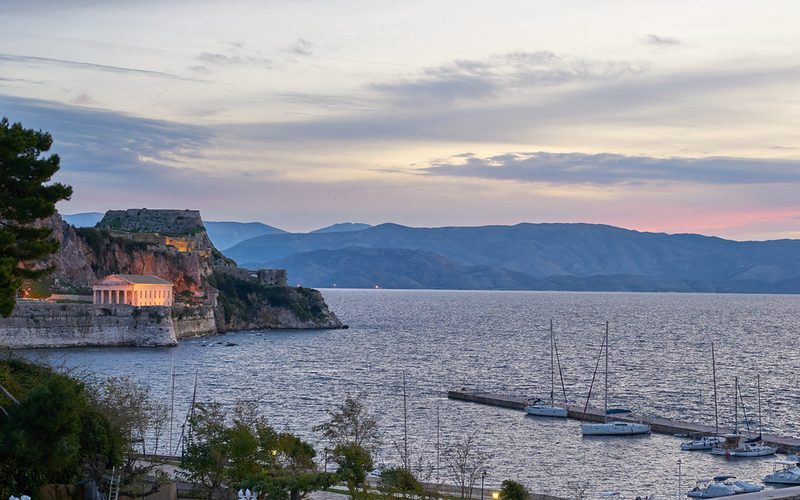
Zakynthos sits in the Ionian Sea off the western coast of the Peloponnese, and its most famous image — Navagio Beach, also called Shipwreck Beach, a white cove with a rusting Soviet freighter lying on its side — is one of the most recognisable landscapes in Greece. Getting there requires a boat from Porto Vromi or Skinari, and the beach itself has no shade. Arrive at eight in the morning before the boats from Zakynthos Town arrive at ten, and you will have thirty minutes in what feels like a private cove.
But Zakynthos is more than Navagio. The southern tip of the island is the main nesting ground of the loggerhead sea turtle, and the bay of Laganas is a protected marine park. Night boat tours that keep a respectful distance from the nesting females are extraordinary. The mountainous interior — the villages of Kiliomeno, Agalas and Loucha — is barely visited and preserves a traditional Ionian way of life almost untouched by tourism. Athensup’s own travel section has covered the full scope of what to explore in Zakynthos, from the sea caves on the north coast to the festivals in the hill villages.
- Best months: May and October. The turtle season runs from June to August; nesting beaches are closed after dark.
- One must-do: Snorkelling at the Blue Caves near Cape Skinari — bioluminescent light through sea arches turns the water electric blue.
- Avoid: Laganas beach strip itself — it is the most built-up resort strip in the Ionian and functions as a package-holiday zone.
Crete: The Island That Is Practically a Country
Crete is the largest of the Greek islands and the fifth-largest island in the Mediterranean. It has its own dialect, its own cuisine, its own character and — in places — its own pace of life that owes more to the mountains than to tourism. The island stretches for two hundred and sixty kilometres from east to west. A week on Crete is not enough to see it properly.
The north coast is where most visitors land and stay: Heraklion, with the Palace of Knossos and a very good archaeological museum; Rethymno, with a preserved Venetian old town that rivals any in Greece; Chania, with a harbour so beautiful that it has been painted and photographed for a century and still exceeds expectation. The south coast is harder to reach and largely undeveloped — Sfakia, Loutro (accessible only by boat or on foot), the Libyan Sea beaches at Matala.
The White Mountains in the interior are a world of their own. The Samaria Gorge, sixteen kilometres of descending path between vertical limestone walls, is the most famous hike in Greece. It is also extremely crowded from June to August; if you can hike it in May, do.
- Best months: April and May for hiking. June and September for beach and culture.
- One must-do: Eat dakos — dried barley rusk with fresh tomato, feta and olive oil — in a village kafeneio, not a tourist restaurant.
- Practical note: Renting a car is essential for seeing the island properly. Public buses cover the north coastal highway but nothing else efficiently.
Rhodes: Medieval City and Ancient Acropolis
Rhodes Town contains the best-preserved medieval walled city in Europe — the Old Town built by the Knights of St John is a UNESCO World Heritage Site. Walking the Avenue of the Knights at dusk is a moving experience; the Palace of the Grand Masters museum, which most visitors walk past, has mosaic floors worth the entrance fee alone. Outside the capital, Lindos — a hillside village above a sandy bay — rewards the forty-five-minute drive south. Best visited before ten in the morning or after four to avoid the tour buses.
The Cyclades: Understanding the Family
The Cyclades share a visual language — whitewashed cubic architecture, blue domes, windmills — but each island has a distinct character. Paros is the practical first-Cyclades choice: good beaches, a real local life, reliable ferry connections, and the harbour town of Naoussa. Naxos produces its own cheese, potatoes and citrus, giving it a food culture that feels genuinely local. Milos has dramatic volcanic geology — Sarakiniko’s white lunar beach looks like science fiction. Folegandros, tiny and cliff-top, gives Santorini’s visual drama without the crowds.
The Ionian Islands: Green and Venetian
Where the Cyclades are dry and rocky, the Ionian Islands — Corfu, Lefkada, Kefalonia, Ithaca, Zakynthos — are lush, green and four centuries of Venetian influence show in the architecture, cuisine and dialect. Corfu‘s old town is a UNESCO World Heritage Site with French colonnades, Venetian fortresses and a British-legacy cricket pitch on the Esplanade; the bay of Paleokastritsa is one of Greece’s most beautiful. Kefalonia‘s Myrtos Beach — white pebbles between two clifftops dropping into improbably blue water — is among the most photographed beaches in the country. Lefkada, connected to the mainland by bridge, is the easiest Ionian island to reach by car.
Island Hopping: Routes That Work
Island hopping is one of the great travel experiences and routinely mismanaged by first-timers. The primary mistake is too many islands in too little time — three nights minimum per island makes for a satisfying experience. The second mistake is booking accommodation before checking ferry routes. Greek ferries connect specific ports on specific days; some combinations that look close on a map require a connection through Piraeus. Plan the route first, then book rooms.
Three tested routes: Classic Cyclades (Athens → Paros → Naxos → Milos → Santorini). Ionian loop (Corfu → Lefkada → Kefalonia). Dodecanese (Rhodes → Symi → Kos → Patmos → ferry to Athens).
When to Go
The season runs Easter to late October, but the experience shifts dramatically by month. April and early May are shoulder-season perfection: wildflowers, empty beaches, cheap accommodation, cool enough for hiking. Late May and June are the sweet spot — everything open, crowds manageable, sea at twenty-two degrees. July and August are peak: ferry tickets sell out, accommodation doubles, the meltemi wind blows across the Cyclades and makes some crossings rough. September and October are underrated: warm sea, lower prices, the extraordinary low October light that photographers travel specifically to find.
Food: The One Rule That Always Holds
If the restaurant has a laminated menu with photographs, keep walking. The restaurants locals use have handwritten daily-specials boards and plastic tablecloths. On Crete, seek a mezedopoleio (small-dishes restaurant, Greek-style tapas). In the Ionians, order pastitsada — a Venetian-influenced pasta with rich meat sauce. In the Cyclades, the local cheeses — kopanisti on Mykonos, graviera from Naxos — are worth more attention than any main course. Grilled octopus drying on a harbour line is not a cliché; it is the correct order in every fishing village.
The Digital Picture: How Athensup Covers Greek Travel
Athensup has developed comprehensive coverage of Greek travel topics from both an insider and an international perspective. The magazine understands how content marketing shapes the narrative around destinations — which places get covered and which remain hidden — and tries to apply that critical awareness to its own editorial choices. The islands that trend on social media are not always the best choices for the traveller; the beaches that appear in algorithmic recommendation feeds are not always the most beautiful.
The editorial team also covers how digital marketing strategies affect the Greek tourism industry — how hotels, island municipalities and regional tourism boards position themselves online, and how that positioning shapes visitor expectations before anyone arrives. Understanding that layer of communication helps readers make more informed choices about where to spend their time and money.
Planning Checklist: Before You Book
- Define your purpose first: beaches, history, hiking, food, nightlife or combinations — different islands serve different priorities.
- Check ferry routes before booking accommodation — route availability determines which islands are actually combinable.
- Book peak-season ferries (July, August) at least six weeks in advance; cabins on night ferries sell out faster than economy seats.
- Accommodation with sea or caldera views on iconic islands (Santorini, Corfu harbour, Lindos) books out months in advance.
- Pack reef-safe sunscreen — several Greek bays now have restrictions on standard chemical sunscreens due to the marine environment.
- Travel insurance that covers activities including hiking and water sports is worth having.
- Check whether your island requires cash — ATMs on smaller islands run dry in peak August.
- A lightweight windbreaker is useful on ferries and on exposed Cycladic hilltops even in summer.
FAQ
Which Greek island is best for first-time visitors?
Paros or Naxos for a Cyclades introduction — both have excellent beaches, reliable infrastructure, direct connections from Piraeus and a functioning local life that gives you a genuine sense of the islands rather than a resort bubble. Santorini is a spectacular first island but can set unrealistic expectations for the rest of the archipelago.
How many islands can I realistically visit in two weeks?
Four to five islands in two weeks is achievable without feeling rushed, if you plan the ferry route carefully. Three nights on each island and two days travelling between them. More than five becomes exhausting — the packing, unpacking, ferry logistics and accommodation check-ins start to dominate the experience.
Is it safe to swim in the sea around the Greek islands?
Overwhelmingly yes. The Aegean and Ionian seas are among the cleanest in the Mediterranean. The Blue Flag certification scheme for beaches is well monitored in Greece. The practical hazards are sea urchins on rocky beaches — water shoes are sensible — and the meltemi wind, which can make conditions rough enough that some beaches and ferry services are suspended for a day at a time in July and August.
Do I need to speak Greek to get around the islands?
No. English is widely spoken throughout the Greek tourism infrastructure, and most menus, signs and transport information are bilingual. In smaller, off-the-beaten-path villages, knowing a handful of basic Greek phrases — good morning (kalimera), thank you (efcharisto), please (parakalo) — is genuinely appreciated and occasionally unlocks a different quality of welcome.
What about romance and social life on the islands — are they as good as the reputation suggests?
The Greek islands have a long association with spontaneous connection and romantic atmosphere, and that reputation is not entirely marketing. Whether you are travelling solo and curious about dating after 30 or on a couples’ trip looking for the most romantic settings in Europe, the combination of long warm evenings, communal outdoor dining and the particular social atmosphere of island bars — where the whole village seems to end up by midnight — creates conditions that feel genuinely different from a city holiday.
Conclusion
The Greek Islands reward planning and punish impulse — not because they are difficult to navigate, but because the difference between a rushed, surface-level visit and a genuinely immersive one comes down almost entirely to choices made before the plane lands. Match the island to your purpose, build your route around the ferry network rather than the map, travel in shoulder season where possible, and eat where the locals eat. Athensup will keep adding to this guide as new reporting comes in from the islands — follow the magazine for updated coverage, seasonal recommendations and the kind of honest insider information that makes the difference. The full editorial library on Greek travel and Mediterranean living is at Athensup.
 Core Web Vitals Explained
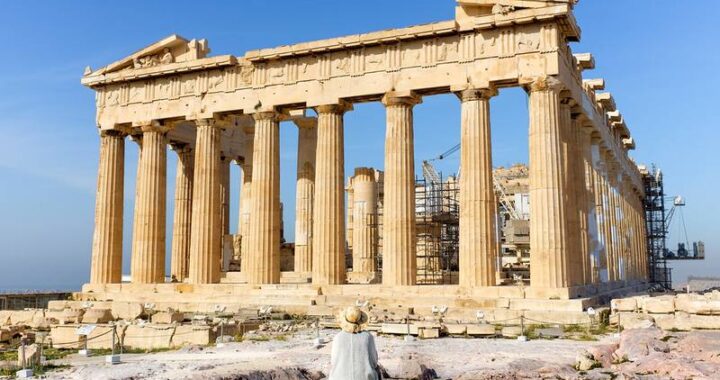 Athens City Guide: History and Culture
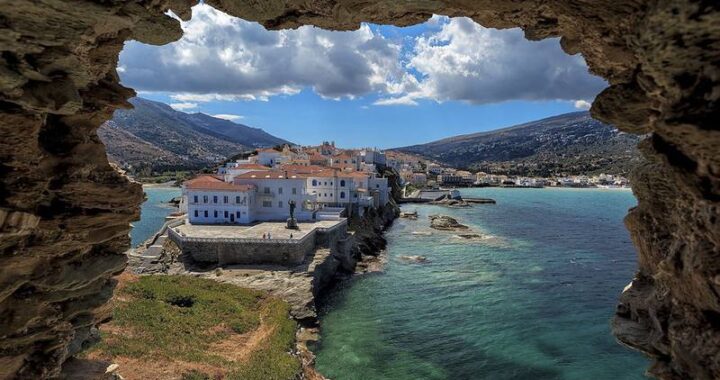 Greek Islands Guide: Choosing Where to Go
 Healthy Eating Budget: Your Complete Practical Guide
 The Complete Guide to Categorizing Your Business Correctly
 The Best Greek Islands for Families
 1 Μήνας SEO Δωρεάν! Με την αγορά τρίμηνου πακέτου SEO!