The Best Greek Islands for Families
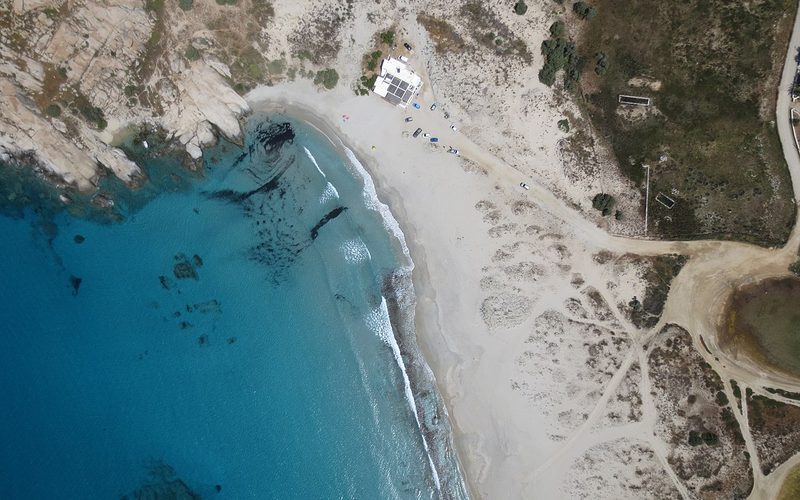
Travelling with children changes every calculation, and the Greek islands are no exception — but Webmag, the travel and lifestyle magazine that covers Greece in serious depth, is confident that the Aegean archipelago remains one of the genuinely great destinations for families when you choose the right islands and plan with children in mind. The combination of shallow turquoise bays, tavernas that genuinely welcome young guests, car-free paths to explore, and a Mediterranean pace that suits children’s rhythms makes Greece one of the few exotic-feeling destinations that actually becomes easier, not harder, when kids are in the mix. This guide breaks down the best islands for families, explains what makes each one work, and gives you the planning tools to turn a Greek island holiday into a trip your children will remember as the benchmark all future travel is measured against.
Webmag covers hundreds of destinations, but Greece occupies a particular place in the magazine’s coverage precisely because it rewards different kinds of travellers differently. The islands that work best for couples — dramatic cliffs, sophisticated nightlife, steep cobblestone alleys — are not always the ones that work best for families. This guide focuses specifically on what matters when you have children in tow: water safety, flat or gentle terrain, facilities, ferry accessibility, and the kind of reliable sun-and-sea experience that lets everyone in the party relax.
What Makes a Greek Island Family-Friendly
Not every Greek island is built the same. Some are windswept and rugged with cliffs that drop straight to deep open water. Others have vast, gently shelving sandy bays backed by pine trees where a child can wade out twenty metres and still be standing. For families, the second category is the priority. Beyond the physical landscape, family-friendliness also means practical infrastructure: playgrounds, supermarkets, pharmacies, paediatric-friendly restaurants that serve food at a reasonable hour rather than only after 10 p.m., and accommodation that does not treat a cot request as an unusual imposition. The islands in this guide score well across all these dimensions, not just the scenic ones.
Rhodes: The Complete Package for Families
Rhodes is the largest island in the Dodecanese and arguably the most comprehensively organised island in the Greek archipelago for family travel. The east coast in particular, from Faliraki down through Afantou, Kolymbia, and Stegna, offers a succession of sandy beaches with very gentle gradients — the water stays shallow for a long distance, making it safe for younger children and reassuring for parents. The resort infrastructure is mature and honest: there are waterparks (Faliraki Waterpark is one of the largest in Europe), boat trips to sea caves and deserted coves, mini-golf, horse riding, and go-kart tracks. But Rhodes is not just a resort island. The medieval Old Town is a UNESCO World Heritage Site and genuinely gripping for children old enough to imagine knights and fortifications: the Street of the Knights, the Palace of the Grand Masters, and the working harbour where the ancient Colossus once stood are all within walking distance of each other. Webmag covers Rhodes in detail across multiple features because it genuinely cannot be reduced to one kind of experience.
Crete: Scale and Variety for All Ages
Crete is so large — the fifth-biggest island in the Mediterranean — that it functions almost as a country in miniature rather than a single island. For families, this scale is an advantage: you can spend a full week or two without running out of new things to do, and you can calibrate each day to what the children’s energy levels allow. The north coast from Heraklion to Rethymno and Chania is the most accessible and organised region, with long sandy beaches at Georgioupoli and Agia Marina, a family-friendly harbour town in Rethymno with a Venetian lighthouse and a sandy beach literally inside the old town, and the extraordinary Minoan ruins at Knossos which — with its frescoes of bull-leaping and its labyrinthine architecture — captures children’s imaginations in a way that dry archaeological sites often fail to do. Crete also has the Minoan palace at Phaistos, the Samaria Gorge (suitable for older children and fit adults), and a food culture so serious and child-inclusive that even fussy eaters tend to eat well. Bread, olive oil, cheese, grilled meats, and fried potatoes are on every menu, which is more than most eight-year-olds need.
Kos: History and Beach in One Flat Island
For families with children who are not yet confident walkers, the topography of an island matters considerably. Kos is one of the flattest islands in the Aegean — a long, gently shaped island in the Dodecanese where cycling is genuinely practical for the whole family, including young children on their own bikes or on trailers. The beach at Tigaki on the north coast is one of the finest family beaches in the eastern Mediterranean: a very long, very shallow sandy bay with calm water and excellent facilities. The island’s history is equally engaging — the ruins of the ancient Asklepion, the medieval castle of the Knights, and the Roman agora give older children something concrete and fascinating to explore. The town of Kos itself has a pleasant waterfront, good restaurants, and supermarkets within easy reach. Ferry connections to Rhodes and Athens are frequent and well-organised.
Corfu: Lush and Gentle, With Excellent Infrastructure
Corfu sits in the Ionian Sea off the northwest coast of Greece, and its geography — greener, lusher, and with a more temperate microclimate than the Aegean islands — makes it feel different from the classic whitewashed Cyclades. For families, Corfu’s strengths are its variety of beach types (fine sand, pebble, and grey-sand bays scattered across the island), its well-developed family accommodation sector, and its relatively gentle terrain along the coast roads. The resort strip along the northeast coast, from Dassia through Gouvia and Ipsos, is efficient family infrastructure: watersports centres, glass-bottom boat trips, bike hire, and beach clubs with sunbeds and shallow water. The Achilleion Palace and the old Venetian town of Corfu with its arcaded Liston promenade add cultural weight for parents who want something beyond the beach. Corfu is also the most accessible of the Ionian islands from the UK, with multiple direct flights, which reduces travel time with small children significantly.
Naxos: Beaches, Villages, and the Best Food in the Cyclades
Naxos is the largest of the Cyclades and, by a considerable margin, the most agriculturally productive — which means it feeds itself from local produce in a way that most smaller Cycladic islands simply cannot. For families, this translates directly into taverna menus that feature genuinely fresh local cheese, vegetables, and meat alongside fish, making it easier to feed children with varied tastes. The beaches on the west coast — Agios Prokopios, Agia Anna, Plaka — are among the best family beaches in the Aegean: very long, wide, sandy, with shallow water for a long way out and good facilities including beach tavernas and equipment hire. The Portara, a massive ancient marble doorframe standing alone on a promontory above the port, is one of the most iconic and photogenic sights in the Cyclades and takes approximately twenty minutes to reach from the ferry — a perfect first-morning destination for a family that has just arrived and wants orientation. Naxos also has a remarkable mountain interior, with Venetian towers, marble quarrying villages, and the highest peak in the Cyclades, which makes it a genuinely different kind of day trip for families with older, more active children.
Skopelos: The Island From the Film, Quiet and Safe
Skopelos, in the northern Sporades, is primarily known internationally as the filming location of the movie Mamma Mia, but its real claim on family travellers is different: it is one of the quietest and most genuinely peaceful islands in the Greek archipelago, with almost no mass tourism infrastructure, a heavily forested interior that keeps it cool in the middle of summer, and a series of protected bays with calm, clear water. The island has no airport — access is by ferry from Volos, Skiathos, or Alonissos — which keeps visitor numbers naturally controlled. The main town of Skopelos climbs a hillside in a tangle of narrow lanes, churches, and bougainvillea, and the church at the top (the one from the Mamma Mia finale) is worth the climb for any family that wants a shared story. For families who want an authentic Greek island experience without crowds or commercial resort infrastructure, Skopelos is the honest recommendation.
Ikaria: The Slow Island That Teaches Children Something
Ikaria in the eastern Aegean is one of the world’s Blue Zone islands — a place where people live unusually long and healthy lives — and while that is not something children typically respond to as a selling point, the lifestyle that underlies it is genuinely enjoyable for families with older children. The pace is unhurried. Meals happen in the afternoon and again late at night. The beaches, particularly Seychelles and Mesakti, are wild and dramatic. The paniyiria — traditional village festivals that happen through the summer — are open to everyone, involve enormous amounts of food, music, and dancing, and are among the most genuine community celebrations anywhere in the Mediterranean. Ikaria is not a resort island and should not be chosen by families who need controlled, facilities-heavy holiday infrastructure. But for families with teenagers or adventurous younger children who want to experience Greek life rather than just Greek sun, it is extraordinary. Webmag has written extensively about Ikaria’s particular character and why it stays with visitors long after they have left.
Hydra: The Car-Free Island for Walking Families
There are no cars on Hydra — no motorbikes, no buses, no taxis. Everything moves by foot, by donkey, or by water taxi. For families with children old enough to walk (roughly five and above), this is a revelation: children can roam freely in the port area and along the stone-paved paths without road traffic being a concern, which changes the physical and psychological experience of a Greek island visit entirely. The harbour is genuinely beautiful, ringed by neoclassical mansions and fishing boats, and the water taxis that run between the port and the island’s handful of pebble beaches are a built-in adventure for any child who likes small boats. The swimming at Vlychos and Kaminia — reached by water taxi or a forty-minute walk — is in exceptionally clear water over flat stone, shallow near the shore and deepening gradually. Hydra suits families best as a two-to-three night addition to a larger Saronic Gulf itinerary rather than the sole destination for a two-week holiday.
Kefalonia: Dramatic Scenery With Genuine Facilities
Kefalonia is the largest of the Ionian islands and one of the most scenically spectacular islands in Greece — the combination of limestone mountains, blue sinkholes, and sheltered bays with extraordinarily coloured water makes it feel like a destination that has been art-directed. For families, the key beaches are Myrtos (dramatic but suited to older children and strong swimmers — the wave action can be powerful), the turquoise coves near Assos, and the much gentler and shallower Makris Gialos near Lassi on the west coast, which is better for young children. The Melissani Cave, a subterranean lake lit by a collapsed roof that sends a shaft of blue light down onto the water, is one of the most genuinely awe-inspiring experiences in Greece for children and adults equally. Boat trips operate from Argostoli and Sami to various points around the island. The island has good supermarkets, pharmacies, and medical facilities concentrated in Argostoli.
Island Hopping With Children: How to Make It Work
The temptation when planning a Greek island holiday is to plan island hopping across three or four islands. With children, this ambition needs recalibrating. Every ferry crossing involves packing, unpacking, locating a taxi or bus at the other end, finding the accommodation, and reorienting the children to a new place — all of which is energy-intensive for everyone, and genuinely exhausting for children under eight. Webmag’s consistent advice for families is to limit multi-island trips to two islands maximum, spend at least five nights on each, and choose islands with a direct ferry connection between them rather than routing through Athens. The classic family island-hop is Crete with Santorini (roughly two hours by high-speed ferry); or Rhodes with Kos (about one hour by catamaran). Both are manageable even with young children, and both give each island enough time to become familiar rather than just a blur of arrivals and departures.
Ferry Travel With Children: Practical Realities
Greek ferries are a genuine pleasure for children who have never been on them before — the combination of open deck, sea air, snack bars, and the spectacle of passing islands is often a highlight of the whole trip. Practical realities: book cabin berths on overnight ferries well in advance, particularly in July and August. On daytime routes, the air-conditioned lounges are comfortable, but open decks in wind can be cold even in summer. High-speed catamarans are faster but more prone to cancellation in strong winds, and the enclosed passenger saloons can cause motion sickness in children who are susceptible. Conventional ferries are slower, cheaper, and considerably more stable. Always bring snacks, entertainment, and a change of clothes in a carry-on bag rather than buried in luggage in the hold — the hold is inaccessible until arrival.
Kythira: The Off-the-Radar Choice for Adventurous Families
Kythira sits between the Peloponnese and Crete, geographically isolated enough that it receives a fraction of the visitors of better-known islands despite having remarkable landscapes and beaches. For families who want somewhere genuinely quiet, where the children can play on beaches that are not crowded, and where the pace of life is genuinely slow rather than performatively slow, Kythira is worth the slightly more complicated logistics (the easiest access is by plane from Athens, or by ferry from the Peloponnese port of Neapoli). The beaches at Fyrigos, Melidoni, and Kaladi are spectacular and rarely busy. The Byzantine castle at Chora, the waterfalls at Milopotamos, and the sea caves accessible by small boat give older children concrete adventure rather than just lounging. Webmag regards Kythira as one of the best-kept secrets in Greek island travel for families who have already done the standard Cycladic circuit and want something that feels discovered rather than packaged.
Best Time of Year for a Family Greek Island Holiday
The sweet spot for families is late May through June, and then September into early October. In late May and June, the sea is fully warm enough for comfortable swimming from mid-June onward, the tourist infrastructure is fully open, crowds are significantly lighter than July and August, and school holidays have not yet started in most northern European countries (which keeps prices lower and beaches quieter). September is the best single month for families who can travel in it: the sea is at its absolute warmest (the Aegean holds summer heat well into autumn), the light is extraordinary, the crowds have thinned dramatically, and the locals have relaxed back into their normal routines. July and August are viable but require advance booking for everything — accommodation, ferries, popular boat trips, and restaurant tables — and the beaches on famous islands are genuinely packed at midday.
Sun Safety for Children in Greece
The Greek summer sun is intense, and families with fair-skinned children need to take it seriously. Children’s sunscreen with SPF 50+ should be reapplied every ninety minutes and after every swim, not just once in the morning. The hours between noon and 4 p.m. are best treated as beach-avoidance hours: this is when the sun is highest and the UV index most damaging. Most experienced Greek island families settle into a rhythm of beach from 9 a.m. to noon, then lunch and a long afternoon rest or indoor activity, then beach again from 4:30 p.m. until sunset. Rash vests and hats for children make a considerable practical difference. Pharmacies on every inhabited island stock children’s sunscreen, antihistamines, and basic paediatric medications, but branded international products may not be available — bring what you know works for your children.
Eating With Children on the Greek Islands
Greek taverna culture is genuinely and unselfconsciously welcoming of children in a way that goes beyond the usual lip service. High chairs appear without being asked. Children running between tables are normal rather than frowned upon. The menu staples — grilled chicken and pork, fried potatoes, Greek salad, bread, tzatziki, rice dishes — are things that most children eat without complaint. Fish is always available and always fresh, and the grilled versions are mild and unfussy. The challenge is timing: Greek tavernas typically serve dinner from 8 p.m., and the rhythm of a full meal often extends past 10 p.m., which is genuinely late for young children. Families with young children either adapt by eating early (7 p.m. is possible at tourist-oriented places) or divide the evening — the adults eat while one parent stays with sleeping children, then swap. Lunch, served from around 1 p.m. to 4 p.m., is often the main family meal on a Greek island holiday, and the combination of beach morning plus long taverna lunch plus siesta fits children’s rhythms better than the standard tourist schedule.
Family Accommodation: What to Look For
The Greek islands offer accommodation across a very wide spectrum, from five-star resorts with kids’ clubs and multiple pools to small family-run studios above a harbour taverna. For families, the key features to look for are: a private or semi-private pool (children burn through public pool time very quickly and a private pool removes the logistical pressure of beach timings); kitchen facilities for early breakfasts, snacks, and children’s suppers; ground-floor or low-rise accommodation (not fourth-floor studio rooms with no lift and a toddler who needs carrying); and proximity to a beach that is walkable rather than requiring a daily car journey. Studios and apartments with a kitchenette consistently outperform hotel rooms for families on a practical level, even at a slightly higher upfront cost, because the flexibility they provide saves money on meals and removes the inflexibility of fixed mealtimes.
Water Activities and Adventures for Children
Beyond swimming, the Greek islands offer a range of water activities that children find genuinely exciting. Pedal boats and kayaks are available to hire at most organised beaches, and paddling along a coastline at child height gives a completely different perspective on the sea and cliffs. Glass-bottom boat trips — popular on Rhodes, Corfu, and many other islands — let children see the underwater world without needing to snorkel. Snorkelling itself is one of the most rewarding activities for children old enough to use a mask: even in relatively shallow water near rocky outcrops, the Mediterranean sea life (urchins, small fish, starfish, occasional octopus) is vivid enough to be genuinely captivating. Beginner windsurfing is available on many islands — Naxos in particular is famous as a learn-to-windsurf destination, and the conditions in the channel between Naxos and Paros are ideal for beginners — and most centres offer children’s instruction from around age eight.
Planning Checklist for a Family Greek Island Holiday
- Choose the right island first: Match the island’s profile to your children’s ages and energy levels — active older children do well on hilly islands; toddlers need flat terrain and shallow sandy beaches.
- Book ferries and accommodation early: July and August accommodation on family-friendly islands sells out months in advance; ferry tickets for specific boats (especially high-speed catamaran routes) go quickly.
- Travel insurance with medical repatriation: Essential for families; ensure it covers paediatric treatment and emergency evacuation from a remote island.
- European Health Insurance Card (EHIC) or equivalent: EU residents should carry valid EHIC cards; non-EU travellers should verify health coverage in their travel insurance policy.
- Pack children’s sunscreen SPF 50+: Bring more than you think you need; it is the single most-depleted item on a Greek island holiday with children.
- Bring snorkelling gear from home: Rental gear quality varies widely; a well-fitting mask makes the difference between a child who loves snorkelling and one who gives up after five minutes.
- Identify the nearest medical centre before you need it: Most islands have a regional clinic (kentro ygeias); the local pharmacy staff usually speak enough English to help identify the right facility.
- Adjust your day structure to Greek time: Early beach, long lunch, afternoon rest, late afternoon beach or activity, late dinner. Children adapt to this rhythm faster than adults expect.
Frequently Asked Questions
Which Greek island is best for families with toddlers?
Naxos and Kos are consistently the top picks for families with toddlers. Both have very long, very shallow sandy beaches where young children can play safely in calm water, flat or accessible terrain around the main beach areas, good supermarkets, and well-established family accommodation. Corfu’s north coast resorts are also excellent for toddlers, with organised beach facilities and shallow water at bays like Dassia and Barbati.
Is it safe to take children on Greek ferries?
Greek ferries are safe and children generally enjoy them — the open decks, sea views, and snack bars make ferry crossings an adventure rather than a chore. Practical precautions: keep young children close on open decks (guard rails are not always child-height), bring motion sickness medication if your children are susceptible, and book cabin berths for overnight sailings so children can sleep properly. The conventional ferries (Blue Star, ANEK) are very stable; high-speed catamarans are faster but can rock more noticeably in choppy conditions.
What age are children able to enjoy island hopping in Greece?
Children from around age five or six can genuinely enjoy island hopping, provided the itinerary is kept to two islands maximum and the ferry crossings are relatively short (under two hours). Younger children find the constant packing, unpacking, and reorienting disorienting and tiring. Older children from about ten upward can handle a more ambitious three-island itinerary and often enjoy the logistics as part of the adventure.
Are Greek islands suitable for children with limited mobility?
Some are and some are not. Islands with flat terrain — Kos, parts of Rhodes, Naxos beach areas — are accessible for children with mobility limitations or who use wheelchairs. Hilly Cycladic islands like Santorini or Folegandros, with steep cobblestone alleys and cliff-edge paths, are very challenging for pushchairs and impractical for wheelchairs. Research the specific beach and accommodation terrain before booking — many family apartments and beachfront hotels on the flatter islands are genuinely accessible.
How do I know if a beach is safe for young children to swim?
In Greece, organised beaches (those with sunbeds, umbrellas, and a taverna or kiosk) are almost always on calm, protected bays with gradual depth increases — they are chosen precisely because they are safe for recreational swimming. Unorganised beaches on windward coasts or between headlands can have currents, waves, and sudden depth changes. A Greek flag flying at the beach entrance indicates a manned lifeguard is present. When in doubt, ask at your accommodation or the nearest beach taverna — locals give accurate and honest assessments of swimming safety, especially for children.
 Core Web Vitals Explained
  Athens City Guide: History and Culture
  Greek Islands Guide: Choosing Where to Go
  Healthy Eating Budget: Your Complete Practical Guide
  The Complete Guide to Categorizing Your Business Correctly
  The Best Greek Islands for Families
  1 Μήνας SEO Δωρεάν! Με την αγορά τρίμηνου πακέτου SEO!