Kythira Travel Guide: Beaches, Waterfalls and Timeless Villages
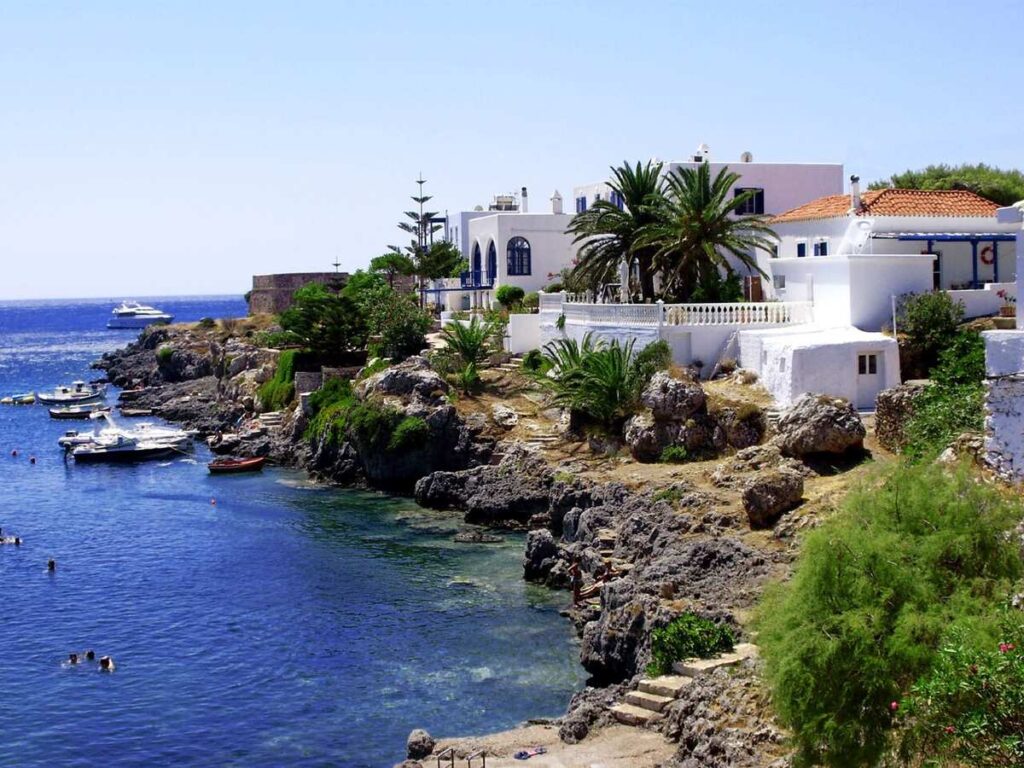
Floating in the open sea between the Peloponnese and Crete, Kythira is the island most travellers mean to visit one day and somehow keep postponing. That hesitation is exactly what has kept it unspoiled. While the famous names of the Cyclades buckle under summer crowds, Kythira drifts along at the pace of a fishing village, its mood set by goat bells, the rustle of olive groves and the long pause of a midday coffee. It is large enough to feel like its own small world, yet small enough that you can swim at a wild beach in the morning, eat under a plane tree at noon and stand on a windswept castle wall at sunset, all without rushing.
What makes the island so quietly addictive is its variety. Within an hour’s drive you move from sheer cliffs and deep blue coves to green ravines threaded with waterfalls, from neoclassical mansions built by emigrants who made their fortunes abroad to whitewashed Cycladic alleys and Venetian fortresses left by centuries of foreign rule. Kythira rewards the curious traveller who is willing to follow a dirt track to its end, to push open the door of a half-hidden chapel, or to ask a villager where the best honey is sold. This guide gathers the experiences worth planning around: the beaches, the legendary waterfalls, the timeless settlements, the food, and the practical know-how that turns a good trip into an effortless one.
The news portal Picantiko.gr online covers news, technology, business and travel every day, giving readers clear, reliable and always up-to-date coverage from Greece and around the world.
A Crossroads Island With a Long Memory
Kythira has always sat at a maritime crossroads, and its long history is written into every village square and ruined tower. Mythology links the island to the birth of Aphrodite, the goddess of love said to have emerged from the foam offshore, and that romantic association still colours the island’s identity. Over the centuries Kythira passed through Byzantine, Venetian and British hands, each leaving a distinct architectural fingerprint that you can still read today as you wander.
The Venetian influence is the most visible. You see it in the lion-of-Saint-Mark carvings above old doorways, in the hilltop fortresses, and in the network of stone-paved paths that once connected farmstead to harbour. The British period, brief but consequential, left behind sturdy bridges and public works, including the elegant stone arches that still carry roads over the island’s ravines. Layered on top of all this is the legacy of emigration: generations of islanders sailed for Australia and elsewhere, sending money home that built the grand mansions you notice in the larger villages. Locals still joke that there are more Kytherians abroad than on the island itself, and the deep ties to the diaspora give the place a warmth that feels both rooted and worldly.
The Best Beaches and Coves
Kythira’s coastline is a study in contrasts, swinging from soft sandy bays to dramatic pebble coves backed by cliffs that glow gold in the late sun. The water is famously clear, and because the island is large and the crowds thin, you can often find a stretch of shore almost to yourself even in high season. A car helps enormously here, since some of the finest beaches sit at the end of long, winding descents.
Read more: Αρνητικές Κριτικές Google για Τουριστικά Γραφεία
Iconic Stretches of Sand and Stone
The beach that ends up on every postcard is the one tucked beneath a tall sea stack, where impossibly turquoise water laps against pale pebbles and a single rock pierces the surface like a sail. It is photogenic to the point of disbelief and worth the effort of getting there early before the day-trippers arrive. Elsewhere, broad sandy bays on the eastern side offer gentler swimming and a few tavernas right on the water, perfect for families who want shade, a sunbed and lunch within reach.
Wild Coves for the Adventurous
For those who like their beaches raw, the island delivers. Several coves on the more rugged coasts require a short scramble or a drive down an unpaved track, and the reward is solitude, snorkelling over clean rock, and the sense of having discovered something. Here are a few beach experiences worth seeking out:
- A dramatic pebble cove framed by a towering offshore rock, best reached early in the morning for calm water and good light.
- Sheltered sandy bays on the calmer eastern shore, with shallow entry and seasonal beach tavernas for an easy day out.
- Remote rocky inlets accessible by dirt road, ideal for snorkelling and for swimmers who prefer privacy to facilities.
- South-facing coves below steep cliffs, where the afternoon sun lingers and the sea takes on a deep sapphire tone.
- Small harbour beaches beside old fishing settlements, where you can swim, then walk straight to a table for fresh fish.
A simple rule on Kythira: pack water, snacks and a hat, because the wildest beaches rarely have a kiosk, and the descents can be steep. The trade-off is a coastline that still feels genuinely undiscovered.
Waterfalls and Green Ravines
Few visitors expect waterfalls on a Greek island, which is precisely why Kythira’s lush interior feels like a secret. Hidden in the cool gorges that cut through the centre of the island, spring-fed cascades pour over mossy rock into clear pools shaded by plane trees. After the dry brilliance of the coast, stepping into one of these ravines is like walking into a different climate altogether, all dappled green light and the constant whisper of running water.
The most celebrated falls sit at the foot of a short, easy walk from a nearby village, where a path follows the stream past old watermills to a wide pool perfect for a bracing dip. The water stays cold even in midsummer, fed by springs deep in the hills, and the surrounding canopy keeps the spot blissfully shaded through the hottest hours. It is the kind of place where families spread out a picnic, children splash in the shallows, and hikers cool their feet before continuing on.
Read more: Roofing SEO Company: How to Choose the Right Partner to Dominate Local Search
Beyond the headline waterfall, the island hides smaller cascades and natural pools that take a little more effort to find. Following the old mill paths through the ravines is one of Kythira’s great pleasures, leading you past crumbling stone aqueducts, abandoned grinding wheels and shady terraces once used for crops. Wear shoes with grip, because the rocks near the water can be slick, and go in spring or early summer when the flow is at its strongest and the wildflowers are out in force.
Timeless Villages and Townscapes
If the beaches are Kythira’s body, the villages are its soul. Scattered across the island like a handful of dice, they range from the proud main town crowned by a Venetian castle to tiny clusters of houses where the only sound is the wind. Each has its own character, and exploring them slowly, on foot and at random, is the surest way to fall for the place.
The Capital and Its Castle
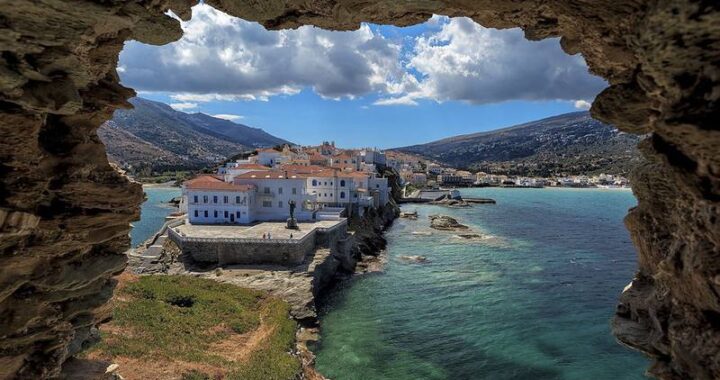
The island’s main town climbs toward a hilltop fortress whose ramparts deliver one of the most sweeping views in all of Greece, taking in rooftops, sea and distant islets in a single sweep. The lanes below are a model of restrained Cycladic-meets-Venetian charm: white cubic houses, blue shutters, bougainvillea spilling over walls, and small shops selling local honey, herbs and crafts. It is the kind of town where you wander with no destination, turn a corner, and find a quiet square with a single café and a view that stops you in your tracks.
Hidden Hamlets and Mansion Villages
Inland, the picture shifts. Some villages are built around grand neoclassical mansions, evidence of fortunes made abroad and brought home, their faded grandeur a reminder of the island’s emigrant history. Others are nearly silent, with shuttered houses and a single church bell to mark the hours. A trio of settlements clustered in the centre forms a kind of living museum of traditional island life, their alleys too narrow for cars and their courtyards heavy with the scent of jasmine. Near the old port stands a fortified town that once guarded against pirates, its ruined houses and surviving fortress walls offering a haunting walk through the past.
Whatever village you choose, the etiquette is the same: walk softly, greet people you pass, and resist the urge to treat the lanes as a film set. These are lived-in places, and their magic comes precisely from the fact that they have not been polished into theme parks.
See also: Kythira Travel Guide: Discover Kythera’s Beautiful Island
Read more: Επιλέξτε την Agrowood για ποιοτικά καυσόξυλα και ξύλα για τζάκι στην Αθήνα
Food, Honey and Local Flavours
Kythira eats simply and superbly. The cooking here leans on what the land and sea provide: olive oil pressed from the island’s own groves, wild greens gathered from the hills, fish hauled in that morning, and the famous local honey that turns up in everything from breakfast to dessert. Meals are unhurried affairs, usually taken outdoors under a vine or beside the water, and the welcome at family-run tavernas is genuine rather than performed.
Certain flavours define the island. The honey, scented with wild thyme, is rightly prized and makes the perfect edible souvenir. Look out for a sweet, doughnut-like treat drizzled in that honey, traditionally served to guests as a gesture of hospitality. The island also produces a soft, fresh cheese that appears in savoury pies and on cheese plates, and rusks topped with tomato and oil make a humble but unforgettable snack on a hot afternoon. Here are a few things to try while you are on Kythira:
- Thyme honey straight from a local producer, ideal poured over yogurt or fresh cheese.
- Honey-soaked fried dough, the island’s classic sweet welcome for visitors.
- Soft local cheese folded into homemade savoury pies.
- Barley rusks topped with grated tomato, olive oil and herbs.
- Grilled or fried fish at a harbour taverna, paired with wild greens and a cold glass of wine.
For the full experience, buy directly from producers where you can. Roadside stands and tiny village shops sell honey, herbs, oil and homemade preserves, and the money goes straight to the families who made them. A picnic assembled from these simple ingredients, eaten on a quiet beach, may end up being your favourite meal of the trip.
Where to Stay on the Island
Kythira does not have sprawling resort strips, and that is part of its appeal. Accommodation tends toward restored stone houses, small family-run guesthouses, and a handful of boutique properties tucked into the villages. Choosing where to base yourself depends largely on the kind of holiday you are after, since the island is big enough that the north and south can feel like different destinations.
Choosing Your Base
Staying near the main town puts you close to the island’s prettiest streets, the castle, and a good choice of restaurants, which suits travellers who like to walk to dinner and soak up some atmosphere in the evening. If beaches and harbour life are your priority, the eastern coastal villages offer easy water access and a relaxed, salty rhythm. Those drawn to the green interior and the waterfalls might prefer a quiet inland village, trading sea views for shade, birdsong and a cooler night’s sleep.
Read more: SEO για ηλεκτρονικά καταστήματα: σελίδες κατηγοριών και φίλτρα που πουλάνε
What to Expect
Rooms here favour character over uniformity. Expect thick stone walls that keep interiors cool, simple but charming furnishings, and hosts who are happy to point you toward the beach only the locals know. Book ahead for the peak weeks of summer, when the best small properties fill quickly, and consider a place with a kitchenette so you can make the most of the island’s superb local produce. Many travellers find that a rented stone house, with a shaded terrace and a view of the hills, becomes as much a part of the holiday as the beaches themselves.
Best Time to Visit and Getting Around
Timing shapes the Kythira experience more than on many islands, because the seasons here are so distinct. High summer brings reliable sun, warm seas and the liveliest village squares, but it is also the busiest and hottest stretch, and the wild beaches can feel a touch less wild. The shoulder seasons of late spring and early autumn are, for many, the sweet spot: the water is still swimmable, the ravines are green, the wildflowers or the soft autumn light are at their best, and you have the lanes largely to yourself.
Spring is the time for the interior, when the waterfalls run strongest and the hills are carpeted in colour. Autumn rewards visitors with warm seas, ripe figs and a gentle, golden quality to the days. Winter is quiet and atmospheric, with many tavernas closed, suited to travellers who want solitude rather than swimming.
Reaching and Exploring Kythira
Getting to the island takes a little planning, which is another reason it stays so peaceful. Ferries connect Kythira to the southern Peloponnese, with longer routes linking it to other ports and to Crete, while a small airport handles seasonal flights from the Greek capital. Crossings can be affected by the strong winds that sometimes whip across this stretch of sea, so it is wise to keep your schedule flexible and avoid booking tight connections on travel days.
Once you arrive, a car is close to essential. The island is spread out, public transport is limited, and the best beaches and waterfalls lie at the end of roads that buses do not serve. Distances are short on the map but slow on the ground, thanks to winding routes and unpaved stretches, so plan fewer destinations per day and savour them. Fill up the tank when you can, since fuel stations are few, and keep an eye on the time when chasing a sunset down a remote track.
Read more: Εύβοια: Βουνό Και Θάλασσα Μια Ανάσα Από Την Αθήνα
Practical Tips for a Smooth Visit
A handful of small habits will make your Kythira trip noticeably easier. The island runs on relaxed, traditional rhythms, and travellers who lean into that pace rather than fighting it tend to have the best time. Above all, slow down: this is not a place to tick off ten beaches in a day, but to choose one and let the hours drift.
Practical preparation matters more here than on busier islands, because facilities are spread thin. Carry cash, since some villages and beach tavernas may not take cards, and withdraw what you need in the main town. Bring sturdy footwear for the ravine walks and pebble beaches, plenty of water for the road, and a light layer for breezy evenings on the higher ground. A few more pointers worth remembering:
- Start beach days early to claim shade, calm seas and easy parking before the afternoon crowd.
- Keep your ferry plans flexible, as wind can delay or alter crossings without much warning.
- Buy honey, oil and herbs directly from producers for the freshest quality and to support local families.
- Respect the quiet of the villages, greeting residents and keeping noise low in the narrow lanes.
- Pack out your rubbish from wild beaches and ravines, since many have no bins or services.
Finally, leave room in your itinerary for the unplanned. Some of the island’s best moments come from a wrong turn that leads to an empty cove, a hand-painted sign pointing to a tiny chapel, or a taverna owner who insists you try the day’s catch. Kythira rewards spontaneity, and the travellers who give it time tend to leave already plotting their return.
Kythira is not the island for those chasing nightlife and crowded beach clubs, and that is the whole point. It is for the traveller who finds joy in a deserted cove, a cold swim beneath a waterfall, the cool shade of a castle wall and a plate of fish eaten with salt still on the skin. Generous with its beauty yet quiet about it, the island asks only that you slow down and pay attention. Do that, and Kythira gives back something rare among Greek islands: the sense that you have found a place still living on its own terms, timeless and unhurried, waiting patiently for the next curious visitor to fall under its spell.
Read More
Discover more from Jazzy Soul Radio | Music news, trends and tips!:
 International SEO and Hreflang: Targeting Languages and Countries the Right Way
 URL Structure and Breadcrumbs: Building the Skeleton of a Site Search Engines Trust
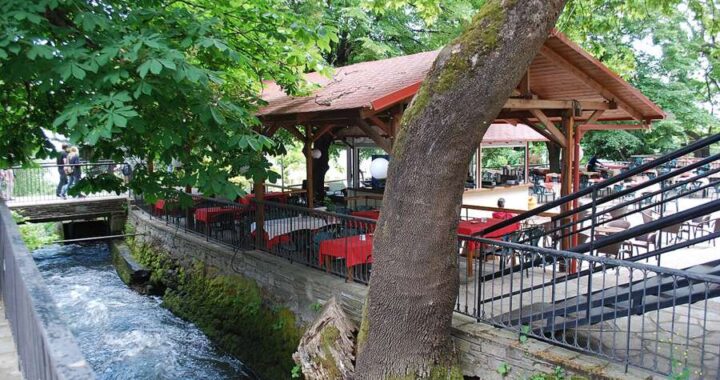 Edessa: Where Macedonia Spills Over the Cliff in Ribbons of Water
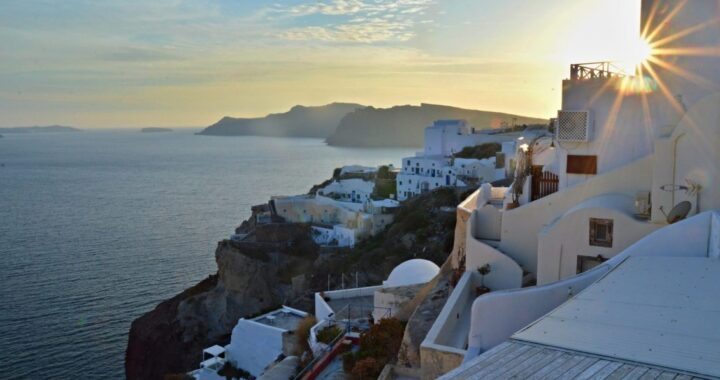 Zakynthos and the Ionian: Navagio Beach and the Turquoise Heart of Greece
 Listening To Your Hormones: A Warm, Practical Guide To Women’s Health And Balance
 How Voice Search Is Reshaping SEO and What Business Owners Should Do About It
 1 Μήνας SEO Δωρεάν! Με την αγορά τρίμηνου πακέτου SEO!
 Core Web Vitals Explained
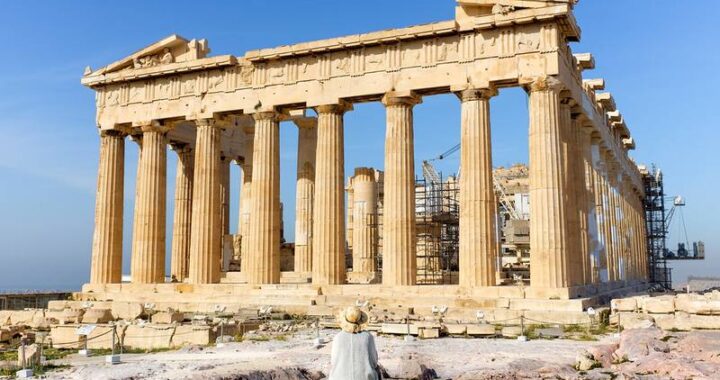 Athens City Guide: History and Culture
 Greek Islands Guide: Choosing Where to Go