Athens City Guide: History and Culture
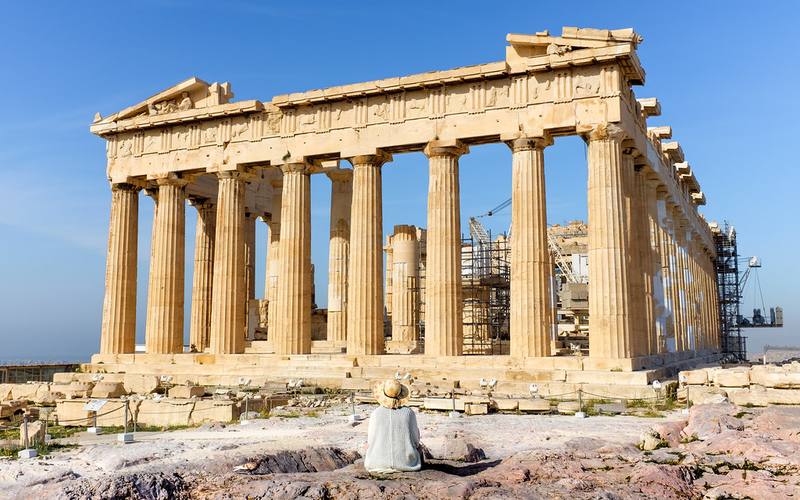
Athens is the capital of Greece and one of the oldest continuously inhabited cities on Earth, with a documented urban history spanning more than 3,400 years. The city sits in the Attica Basin, surrounded by four mountains — Hymettus, Penteli, Parnes, and Aigaleo — and opens to the Saronic Gulf at the port of Piraeus. Athens gave the world democracy, philosophy, theatre, and the Olympic Games. Today it holds a population of 3.7 million in the greater metropolitan area and draws more than 5 million international visitors annually. For travel inspiration beyond the capital, LAACOUSTICMUSICFESTIVAL.COM covers Greek destinations in depth.
Athens divides into distinct quarters — the ancient core around the Acropolis, the commercial centre in Syntagma, the bohemian streets of Monastiraki and Psyrri, the upscale suburb of Kolonaki, and the coastal strip of the Athenian Riviera. Each area carries its own character, rhythm, and history. Visitors who explore all five zones leave with a fuller picture of the city than those who limit themselves to the Acropolis alone.
What Is the Historical Significance of the Acropolis?
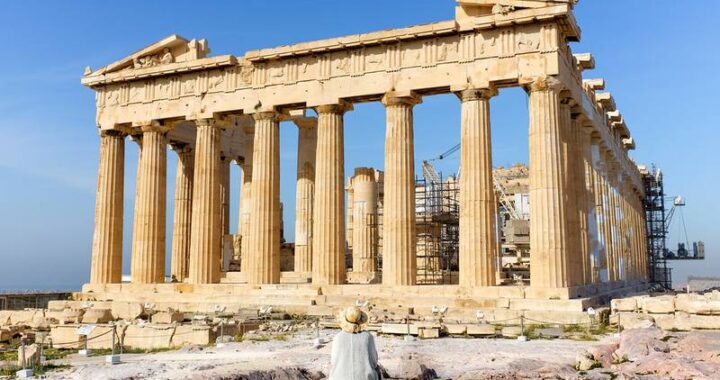
The Acropolis is a fortified hill rising 156 metres above sea level that served as Athens’s religious centre since the Bronze Age. Pericles directed its peak building phase from 460 to 406 BCE, producing the Parthenon, the Erechtheion, the Propylaea, and the Temple of Athena Nike.
The Parthenon measures 69.5 metres long and 30.9 metres wide, supported by 46 Doric columns. Architect Iktinos and sculptor Pheidias designed the structure to house a 12-metre chryselephantine statue of Athena. The building served as a temple, a treasury, a Christian church, and an Ottoman mosque across its 2,500-year history. The British Museum holds 17 figures from the Parthenon frieze, known as the Elgin Marbles, taken by Lord Elgin between 1801 and 1812.
Three additional temples share the sacred rock. The Erechtheion (421–406 BCE) features the Porch of the Caryatids — six marble female figures acting as columns. The Propylaea forms the monumental gateway and contains five passageways of varying widths. The Temple of Athena Nike, the smallest at just 5.4 by 8.2 metres, celebrates victory over Persia. Reaching the summit requires a 45-minute walk up a paved path; tickets cost €20 for the Acropolis alone or €30 for the combined pass covering 7 archaeological sites.
The new Acropolis Museum at the base of the hill completes the visit. The museum, opened after a decade of construction, displays 4,000 objects across 14,000 square metres of gallery space, including the original Caryatid figures and a glass floor revealing excavations below.
What Are the Most Important Ancient Agoras in Athens?
Athens contains two ancient agoras — the Greek Agora and the Roman Agora. The Greek Agora, active from 600 BCE, hosted law courts, philosophers, and the boule (council); the Roman Agora, built in the late 1st century BCE, served commercial functions under Augustus.
The Greek Agora occupies 30,000 square metres northwest of the Acropolis. Its best-preserved structure is the Temple of Hephaistos, standing since 450 BCE with all 34 columns intact — the most complete ancient Greek temple in existence. Socrates debated here from 470 BCE until his trial in 399 BCE. The reconstructed Stoa of Attalos (138 BCE, rebuilt in the mid-20th century) now serves as the Agora Museum, holding 350 objects including bronze voting tokens and pottery sherds used for ostracism votes.
The Roman Agora sits 200 metres east. Its Tower of the Winds (Horologion of Andronikos Kyrrhestes), built around 50 BCE, functions as a hydraulic clock, sundial, and weather vane in one octagonal marble tower, 12 metres tall. The Gate of Athena Archegetis marks the Roman entrance and still carries the names of Augustus and Julius Caesar in its inscription.
How Did Ancient Athens Invent Democratic Government?
Athens established the world’s first documented democratic system under Cleisthenes in 508 BCE, replacing aristocratic family rule with a system in which 30,000 male citizens voted directly on legislation in the Assembly (Ekklesia), which met 40 times per year on the Pnyx Hill.
The Assembly passed laws, declared war, and ratified treaties. Every citizen could speak; the term isegoria (equal right to address the Assembly) was a foundational principle. The Council of 500 (Boule), chosen by lot, prepared the Assembly’s agenda. Juries of 501 or more citizens decided court cases — the large numbers prevented bribery. Pericles extended pay for jury service in 462 BCE, allowing poor citizens to participate without losing income.
Ostracism allowed citizens to exile any individual deemed too powerful for 10 years without trial. Archaeologists have found 11,000 ostraka (pottery sherds with names scratched on them) in Agora excavations, naming Themistocles, Aristides, and Kimon among the exiled. Athens’s democratic experiment lasted, with interruptions, from 508 to 322 BCE — 186 years before Macedonian rule ended it.
Which Philosophers Defined Athenian Intellectual Life?
Three philosophers — Socrates (470–399 BCE), Plato (428–348 BCE), and Aristotle (384–322 BCE) — produced the foundational texts of Western philosophy while living and working in Athens, establishing a tradition of rational inquiry that shaped science, ethics, and political theory for 2,400 years.
Socrates wrote nothing but developed the dialectic method, questioning beliefs through dialogue. Plato recorded Socrates’s ideas and founded the Academy in 387 BCE, northwest of Athens — the Western world’s first institution of higher learning, which operated for 916 years until 529 CE. Aristotle studied at the Academy for 20 years, then founded his own school, the Lyceum, in 335 BCE, where he catalogued biology, politics, rhetoric, and logic across 200 treatises, 31 of which survive.
Other schools flourished simultaneously. Epicurus founded his Garden school in 306 BCE, teaching that pleasure through friendship and simplicity constitutes the good life. Zeno of Citium taught Stoicism from 300 BCE in the Stoa Poikile (Painted Porch) of the Agora — the colonnade that gave Stoicism its name. Visitors can walk through the sites of all four schools within 3 kilometres in Athens today.
What Is the Layout and Character of the Plaka Neighbourhood?
Plaka is the oldest continuously inhabited neighbourhood in Athens, covering 66 hectares at the northeastern foot of the Acropolis. Its street grid follows ancient paths from the 5th century BCE through the Ottoman period into the neoclassical era.
The neighbourhood contains 60 churches, including the 11th-century Byzantine Church of the Holy Apostles inside the Agora and the 12th-century Kapnikarea in Ermou Street. Adrianou Street runs for 800 metres as the main pedestrian spine, lined with tavernas, jewellery shops, and icon painters. Anafiotika, a micro-neighbourhood within Plaka, was built by stonemasons from the Cycladic island of Anafi who came to construct the Royal Palace — its whitewashed cubic houses and narrow lanes recreate an island village 150 metres above sea level.
Plaka borders Monastiraki Square to the west, where the flea market operates every Sunday from dawn until 14:00, and borders the Roman Agora to the north. Evening meals at a Plaka rooftop terrace with Acropolis views fill quickly; book tables at least two days in advance between April and October.
What Museums Does Athens Offer Beyond the Acropolis Museum?
Athens holds 8 major national museums housing more than 1.5 million artefacts, with the National Archaeological Museum in Exarchia being the largest in Greece and one of the 10 most important archaeology museums globally, covering 8,000 years of Greek prehistory through Late Antiquity across 48 exhibition rooms.
The National Archaeological Museum displays 11,000 objects. Highlights include the Mask of Agamemnon (1550–1500 BCE), the Antikythera Mechanism (100–50 BCE, the world’s first analogue computer), the bronze Poseidon of Artemision (460 BCE), and the Jockey of Artemision. Admission costs €15; free on the first Sunday of each month from November through March.
Four more museums concentrate specific collections. The Benaki Museum fills a neoclassical mansion in Kolonaki with 20,000 objects from Neolithic Greece to the 20th century, including Byzantine icons, Ottoman-era costumes, and the desk of Eleftherios Venizelos. The Museum of Cycladic Art holds 4,000 Cycladic figurines (3200–2700 BCE) and occupies four floors in a purpose-built Kolonaki gallery. The Byzantine and Christian Museum displays 25,000 objects across 22 galleries dedicated to Byzantine and post-Byzantine art. The Numismatic Museum houses 600,000 coins in the former home of Heinrich Schliemann, who excavated Mycenae and Troy.
How Does Athens Connect to Greek Island Travel?
Athens acts as the hub for ferry and flight connections to more than 120 Greek islands, with Piraeus Port — 10 kilometres southwest of the city centre — handling 20 million passengers per year and offering direct routes to the Cyclades, Dodecanese, Ionian Islands, and Crete from a single terminal.
Piraeus connects to Santorini in 8.5 hours by conventional ferry or 5 hours by high-speed catamaran. Mykonos is reachable in 2.5 hours by fast ferry. Heraklion (Crete) runs as an overnight route of 8–9 hours, arriving in time for morning exploration. Budget airlines Aegean Airlines and Sky Express operate daily flights from Athens International Airport (Eleftherios Venizelos) to 36 domestic destinations, with island flights costing €40–€120 return.
Travellers exploring the western Ionian Islands find different terrain: lush green landscapes, dramatic cliffs, and transparent lagoons. Lefkada by car offers a driver’s guide to the island’s turquoise coasts. For the volcanic Cyclades, Santorini unveiled covers the caldera villages, wineries, and beaches in detail. First-time visitors weighing multiple island options will find the Greek islands guide useful for comparing terrain, transport, and accommodation types across the archipelago.
What Is the Athenian Food Culture and Where Do Locals Eat?
Athenian food culture centres on the mezze tradition — small plates served communally — with the city holding 6 restaurants in the Michelin Guide alongside thousands of neighbourhood tavernas where a full meal with wine costs €15–€25 per person.
Specific dishes anchor the Athens menu. Grilled octopus at a Piraeus waterfront taverna, fried courgette flowers stuffed with rice in Plaka, slow-braised lamb with orzo (giouvetsi) in Monastiraki, and loukoumades (honey-drenched dough balls) from 19th-century shops in the Central Market district. The Athens Central Market (Varvakios Agora) on Athinas Street has sold fish, meat, and produce since 1886 and operates Monday through Saturday from 07:00 to 15:00.
Four neighbourhood eating zones each suit different budgets. Psyrri (between Monastiraki and Omonia) holds the densest concentration of all-day cafes and grill houses. Exarchia caters to students with cheap souvlaki and street food stalls open until 02:00. Kolonaki’s Tsakalof and Patriarchou Ioakeim streets carry the upscale bistro scene. Koukaki, directly south of the Acropolis, emerged as the city’s creative food quarter, with natural wine bars and grain-to-table restaurants sharing walls with 1950s-era ouzeries.
How Does the Athens Metro System Work for Tourists?
Athens Metro operates 3 lines totalling 75 kilometres of track and 62 stations, running daily from 05:30 to midnight (02:00 on Friday and Saturday nights), with a flat €1.20 fare covering a 90-minute window on all metro, tram, and bus services across the integrated Attica zone.
Line 1 (green) runs from Kifissia in the north to Piraeus port in the south, with 25 stations. Line 2 (red) crosses the city east to west through Syntagma, Omonia, and Larissa Station (the intercity rail hub). Line 3 (blue) connects the airport to the city in 40 minutes for €10.50 one way. Stations Syntagma and Monastiraki serve as the main interchange points; Acropolis Station on Line 2 exits directly at the foot of the hill.
Seven metro stations display archaeological finds uncovered during construction. Syntagma Station shows a cross-section of Athens soil 2,400 years deep behind glass walls, with original wells, water pipes, and grave stelae visible. Monastiraki Station excavates to the 1st-century BCE level, revealing Roman road surfaces and drainage channels. The displays are free and open during station operating hours.
What Is the Significance of Syntagma Square and the Hellenic Parliament?
Syntagma Square (Constitution Square) is Athens’s central public space and has served as the site of every major political demonstration since the 1843 revolt that forced King Otto to grant a constitution, including the wartime Dekemvriana civil conflict and the early-austerity-era protests that drew crowds exceeding 100,000 people.
The Hellenic Parliament building on the square’s eastern edge was built as the Royal Palace in 1843 by Bavarian architect Friedrich von Gärtner. It became the parliament building in the late inter-war period following the abolition of the monarchy. The Tomb of the Unknown Soldier in front of the parliament is guarded round the clock by the Evzones — presidential guards in traditional fustanella kilt uniforms. The ceremonial changing of the guard takes place every Sunday at 11:00; the standard hourly change runs daily.
Syntagma connects to the National Garden, a 15.5-hectare park opened in 1840 that contains 7,000 plant species, a small zoo, and a botanical museum. The garden provides shade and quiet 150 metres from one of Europe’s busiest pedestrian zones. Zappeion Hall, at the garden’s southern end, hosted the 1896 Olympic fencing competitions and now operates as a conference and exhibition venue.
What Are the Main Archaeological Sites Outside the Acropolis?
Athens holds 12 major archaeological sites within the city limits beyond the Acropolis, including the Temple of Olympian Zeus, Hadrian’s Arch, Kerameikos cemetery, the Pnyx Assembly hill, and the Theatre of Dionysus — the world’s first purpose-built theatre, constructed in 534 BCE.
The Temple of Olympian Zeus began construction in 515 BCE under the tyrant Peisistratos and was completed 638 years later in 131 CE by Roman Emperor Hadrian. At completion it stood as the largest temple in the ancient Greek world — 110.4 metres long and 43.7 metres wide, with 104 Corinthian columns. Today 15 columns stand; a 16th fell in a storm in 1852 and remains in the position where it landed, preserved as-is.
Hadrian’s Arch (131–132 CE) stands 18 metres tall directly adjacent to the temple and marks the boundary between the old Greek city and Hadrian’s Roman expansion. The Kerameikos cemetery, active from 3000 BCE to the 6th century CE, served as Athens’s main burial ground and includes the Sacred Gate (where the Panathenaic procession began) and the tomb of the Spartan soldiers who fell at the Battle of Plataea.
The Theatre of Dionysus on the south slope of the Acropolis held 17,000 spectators. Aeschylus, Sophocles, Euripides, and Aristophanes premiered all their surviving plays here between 534 and 380 BCE — 33 tragedies and 11 comedies that remain in repertoire in theatres worldwide today.
How Does Athens Celebrate Its Cultural Calendar?
Athens runs 3 major annual cultural programmes — the Athens Epidaurus Festival (June–August), the Athens Digital Arts Festival (May), and the Athens Open Air Film Festival (June–September) — plus year-round programming at 22 municipal theatres and 8 state concert halls.
The Athens Epidaurus Festival uses the ancient Odeon of Herodes Atticus (161 CE, capacity 5,000) at the Acropolis base and the ancient theatre at Epidaurus (160 kilometres southwest) for performances of classical drama, opera, and dance. Past performers include Maria Callas, Rudolf Nureyev, and Plácido Domingo. Tickets range from €15 to €90; the open-air setting with stone seating requires cushions and layers after sunset.
The Athens Concert Hall (Megaron Mousikis) hosts 250 events per year across 4 auditoriums. The National Opera (Ethniki Lyriki Skini) relocated to the Stavros Niarchos Foundation Cultural Centre — a Renzo Piano-designed complex in Faliro with a 1,400-seat opera house, a national library, and a 21-hectare park. The cultural centre admission is free; performances cost €20–€100.
What Is the Byzantine Heritage Visible in Athens?
Athens preserves 20 Byzantine churches built between the 11th and 14th centuries within the city centre, concentrated in Plaka, Monastiraki, and the Psyrri quarter, including 7 churches classified as protected monuments that display mosaic floors, frescoed interiors, and original iconostases intact from the Middle Byzantine period.
The Church of the Holy Apostles in the Agora, built around 1000 CE, is the only Byzantine monument inside the ancient Agora boundaries and contains 17th-century frescoes transferred from a demolished church. Kapnikarea on Ermou Street, dating to the 11th century, sits directly in the pedestrian shopping zone — a 12-metre-long domed church squeezed between modern retail facades. The Church of Sotira Lykodimou (1031 CE) in Plaka became a Russian Orthodox church in 1847 and retains its original Byzantine plan.
Athens spent 250 years under the Duchy of Athens (1205–1456 CE) and a further 400 years under Ottoman rule (1456–1833 CE). The Fethiye Mosque inside the Roman Agora, built in 1458 on the ruins of a Byzantine church, is one of two surviving Ottoman mosques in the city. The Tzistarakis Mosque on Monastiraki Square (1759 CE) now houses the Museum of Greek Folk Art’s ceramics collection.
What Shopping Experiences Does Athens Offer?
Athens concentrates its retail zones across 3 distinct axes: the upscale Kolonaki quarter for designer boutiques, Ermou Street (1.2 kilometres, closed to traffic) for international high-street brands with 55,000 pedestrians per day, and the Monastiraki flea market for antiques, vintage clothing, and handmade goods.
Monastiraki flea market operates year-round; the Sunday version expands across Ifestou and Avissinias streets with 200 stalls selling Ottoman-era furniture, military surplus, 20th-century vinyl records, Byzantine icon reproductions, and traditional embroidery. Prices start at €2 and negotiation is standard. Nearby, the Benaki Museum shop sells high-quality museum reproductions — jewellery cast from ancient originals, ceramic tiles with Byzantine patterns, and silk scarves printed with Cycladic motifs.
Kolonaki’s Tsakalof and Skoufa streets hold Greek designer labels including Celia Kritharioti (couture eveningwear), Nikos Koulis (handcrafted leather shoes), and Ileana Makri (fine jewellery shown internationally). The neighbourhood also holds 6 bookshops specialising in Greek language and illustrated art editions not available outside Greece.
How Do Visitors Get From Athens to Santorini?
Visitors reach Santorini from Athens by 3 routes: a 45-minute Aegean Airlines or Sky Express direct flight from Athens International Airport, a 5-hour Blue Star Ferries or Seajet high-speed catamaran from Piraeus, or a 8.5-hour overnight conventional ferry that arrives at dawn in the caldera.
Flight prices range from €45 to €180 one way depending on advance booking. The catamaran operates from April through October with 2 daily departures; tickets cost €65–€85 per person. The overnight ferry runs year-round and allows passengers to save a night’s accommodation cost by sleeping in cabin berths (€25–€60 extra). Santorini’s old port at Fira requires either a cable car or 600 steps up the caldera cliffs from the ferry dock. For planning in detail, Santorini island tours outlines the key attractions, and Santorini travel guide covers accommodation zones, vineyard tours, and sunset-watching locations across the island.
What Are Athens’s Best Viewpoints and Sunset Spots?
Athens offers 6 panoramic viewpoints across the city, with Lycabettus Hill (277 metres, the city’s highest point) and the Filopappou Hill (147 metres, directly opposite the Acropolis) providing the two most complete 360-degree views of the Attica Basin, the Saronic Gulf, and the surrounding mountain ring.
Lycabettus Hill is reachable by a 20-minute steep walk from Kolonaki or by funicular (€7.50 return) from Aristippou Street. The summit holds the Church of St. George and an open-air theatre (capacity 3,500) used for concerts from May through September. The view at sunset shows the Acropolis lit by orange light against the blue Gulf, with the island of Aegina visible on clear evenings 30 kilometres offshore.
Filopappou Hill, also called the Hill of the Muses, connects directly to the Pnyx — the actual hillside where Athenian citizens assembled for the Ekklesia from 508 BCE. The hill’s three summits each face a different compass point; the northern summit faces the Acropolis at eye level, 400 metres away. Entry is free and the area stays open until 20:00 in summer.
What Is the Athens Riviera and How Far Does It Extend?
The Athens Riviera is a 40-kilometre coastal strip running southwest from Piraeus to Cape Sounion, encompassing 16 organised beach zones, 3 marinas, 5 beach clubs, and the Temple of Poseidon (440 BCE) at the cape’s tip, all accessible by bus, tram, or car from the city centre in 30–90 minutes.
Glyfada (20 kilometres from centre) acts as the Riviera’s hub, with a main shopping street, 4 beach clubs, and direct tram access. Vouliagmeni (25 kilometres) holds Astir Beach, a private peninsula facility with 10 restaurants and a long sand-and-pebble strip. Vouliagmeni Lake, a thermal spring-fed lagoon at 29°C year-round, charges €16 entry. Cape Sounion at the Riviera’s end frames the Temple of Poseidon against open sea — Lord Byron carved his name into the temple’s columns in 1810, and the inscription is still visible in Column 57.
How Did Athens Host the First Modern Olympic Games?
Athens hosted the first modern Olympic Games from 6 to 15 April 1896, with 241 athletes from 14 nations competing in 43 events across 9 sports in the Panathenaic Stadium — a marble arena built on a 330 BCE foundation, restored to seat 80,000 spectators at a cost of 920,000 gold drachmas funded by George Averoff.
The Panathenaic Stadium (Kallimarmaro) stands in the Ardittos Hill park, 1 kilometre east of Syntagma Square. Its track measures 204 metres with a tight 180-degree turn — a shape unchanged from the ancient Greek stadion. Twelve of the 14 participating nations were European; the United States sent 14 athletes who won the most gold medals (11). Spyridon Louis, a Greek water carrier, won the marathon in 2 hours 58 minutes 50 seconds, becoming the modern games’ first national hero.
The stadium hosted the Athens Olympics archery competition and the marathon finish line in the early 21st century, bringing an additional 10,500 athletes to the city. Admission to walk the Panathenaic Stadium track costs €10; an audio guide is included. The attached Olympic Museum documents both the first modern Games and the Athens return through 450 objects and photographs.
What Nightlife Does Athens Offer?
Athens operates one of Europe’s most active nightlife circuits, with clubs and live music venues staying open from midnight to 07:00 in the Gazi, Psyrri, and Kolonaki districts, and a summer migration to outdoor bouzoukia (live Greek music halls) on the coast that draw audiences of 1,500–3,000 per night from June through September.
Gazi, built around the former Athens Gas Works (now a cultural centre), holds the densest bar concentration in the city — 80 venues within 6 city blocks. Psyrri mixes rock bars and jazz clubs with traditional ouzeries open from dusk. Kolonaki runs a cocktail-bar and rooftop-lounge scene aimed at a 30-plus crowd. Live rembetika (urban blues originating in 1920s Smyrna) plays Thursday through Saturday nights in 12 dedicated venues, primarily in Kerameikos and Metaxourgeio.
The bouzoukia circuit runs on a specific Athens custom — throwing carnations at performers on stage (not plates, since the 1980s ban). Shows begin at 23:30 and run until 05:00; minimum spend per table is €80–€150. Performers include chart-topping laïká artists whose concert schedules fill Ticketmaster Greece weeks in advance.
What Is the Best Time to Visit Athens?
Athens is most comfortable for sightseeing in April–May and September–October, when temperatures average 18–24°C, crowds at the Acropolis are 40% lower than July–August peak, and hotel rates are 30–50% below summer highs.
July and August deliver 35–38°C heat with direct sun on marble surfaces at archaeological sites reaching 50°C surface temperature. Summer also brings Athens its fullest cultural calendar — 60 festival events per month at the Odeon of Herodes Atticus plus rooftop cinema screenings citywide. Winter (December–February) averages 10–14°C with rare frost; the Acropolis and National Archaeological Museum see fewer than 800 daily visitors in January versus 15,000 in August. Museums are free on the first Sunday of each month from November through March.
Rain falls primarily between November and March at an annual average of 395 millimetres — well below the European average of 650 millimetres. Athens ranks among Europe’s sunniest capitals at 2,750 sunshine hours per year, surpassing Madrid (2,700) and Rome (2,500).
How Does Athens Compare to Other Greek Destinations?
Athens offers 3,400 years of urban history, 22 museums, and direct transport connections to islands, making it the necessary base for any comprehensive Greek travel itinerary, while island destinations like Santorini and the Ionian Islands offer natural scenery and beach relaxation as complements rather than substitutes.
Athens suits travellers who prioritise archaeological depth, urban food culture, and museum collections. The Cycladic islands — Santorini, Mykonos, Paros — suit those who want caldera views, beach clubs, and nightlife. The Ionian Islands suit visitors seeking green mountains, sheltered coves, and Venetian-era architecture. Most first-time visitors to Greece spend 2–3 days in Athens before island-hopping. A 10-day itinerary typically splits as 3 days Athens, 4 days Cyclades, 3 days a second island group.
Combining Athens with the Cyclades rewards visitors who understand each island’s specific character. For structured planning of the archipelago, the Greek islands guide breaks down island categories by terrain, vibe, and visitor profile. Detailed Santorini logistics — from winery routes to caldera-view accommodation tiers — appear in the Santorini travel guide.
What Practical Information Do Visitors Need for Athens?
Athens requires no visa for EU citizens and uses the euro (€); non-EU visitors from 60+ countries qualify for the Schengen 90-day visa, with the Athens International Airport immigration queue averaging 25 minutes outside peak arrival windows of 06:00–09:00 and 18:00–22:00.
Currency: ATMs accept all major cards and charge €2–€5 per withdrawal; most restaurants accept Mastercard and Visa but small tavernas and market stalls remain cash-only. Language: Greek is the official language; English is widely spoken in tourist areas, hotels, and restaurants. Emergency numbers: 112 (pan-European), 100 (police), 166 (ambulance), 199 (fire). Pharmacies (marked by green cross) open on rotation 24 hours; the active rota is posted on every pharmacy window.
Transport from the airport: Metro Line 3 to Syntagma costs €10.50 (40 minutes). Express bus X95 to Syntagma costs €6 (60–90 minutes depending on traffic). Taxi fixed rate from airport to city centre: €40 by day, €54 at night (00:00–05:00). Uber and Beat operate in Athens; typical app-hail fare from airport: €30–€38. The Athens Riviera and Piraeus are accessible from central Athens for €1.20 by metro or tram.
How Has Athens Developed in the Post-Austerity Era?
Athens underwent urban regeneration in the post-austerity decade, with the Metaxourgeio and Keramikos neighbourhoods transforming from industrial decline into art gallery clusters and boutique hotel zones, while the Stavros Niarchos Foundation invested €566 million in public cultural infrastructure including the new National Library and Opera House.
The Benaki Museum expansion opened a second building (Pireos Street annex) dedicated to design and contemporary art. The Onassis Cultural Centre presents 12 international productions per year in a purpose-built building in Kallithea. Street art transformed 40 buildings in the Exarchia and Metaxourgeio districts; the Athens Street Art Festival brings 20 international muralists annually and has produced 200 documented large-scale murals over the past decade.
Short-term rental listings in Athens expanded from 800 to more than 22,000 across a decade, reshaping the neighbourhood economy of Koukaki, Plaka, and Monastiraki. The tourism sector contributes 25% of Greece’s GDP, with Athens hotels adding 4,500 new rooms through conversions of neoclassical buildings, Ottoman-era warehouses, and mid-century office blocks. The city’s architectural layering — ancient, Byzantine, Ottoman, neoclassical, modernist — is more concentrated per square kilometre than in any other European capital.
What Is the Athens Walking Route That Covers the Most Landmarks?
The Unification of Archaeological Sites walkway is a 4-kilometre pedestrian promenade connecting the Panathenaic Stadium to the Kerameikos cemetery, passing the Acropolis, Filopappou Hill, the ancient Agora, and Hadrian’s Library in sequence, with all sites accessible from the walkway by a single combined €30 ticket.
The route, car-free along its full length, follows Dionysiou Areopagitou Street on the Acropolis south slope, then Apostolou Pavlou Street through Thissio to Kerameikos. Walk time without entering any site: 45 minutes. With site visits: 6–8 hours for all seven included monuments. The route passes 6 cafe terraces with Acropolis sight lines; the Dionysou Areopagitou pedestrian strip concentrates 12 restaurants between the Odeon of Herodes Atticus and the Theatre of Dionysus entrance.
The combined ticket includes the Acropolis, Ancient Agora, Roman Agora, Hadrian’s Library, Kerameikos, Temple of Olympian Zeus, and the slope theatres. Ticket validity: 5 days from purchase. Digital tickets purchased at the gate or via the Hellenic Ministry of Culture app avoid the morning queue, which at the Acropolis reaches 45 minutes by 09:30 from May through October.
Frequently Asked Questions About Athens
How many days do you need in Athens to see the main sights?
Three days cover the core landmarks — Acropolis and Acropolis Museum on day one, the ancient Agora, Roman Agora, and National Archaeological Museum on day two, and Plaka, Monastiraki, Syntagma, and a Lycabettus sunset on day three. A fourth day adds the Athens Riviera or a day trip to Cape Sounion. Visitors with a deeper interest in Byzantine history, the Benaki Museum, or the city’s contemporary art scene benefit from five full days.
Is Athens safe for tourists?
Athens registers as safe for tourists across standard travel indicators. Petty theft — pickpocketing in Monastiraki market, phone snatching on the Metro — occurs at rates comparable to Rome or Barcelona. The Exarchia district sees occasional political demonstrations; avoiding the area during protests is advised. Tourist-facing scams are limited to overpriced drinks at clubs on Mitropoleos Street and unofficial “free walking tour” guides who end tours with pressure for large tips. Official Athens tours depart from Syntagma Square.
What is the currency and are credit cards accepted in Athens?
Athens uses the euro (€). Credit cards (Visa, Mastercard) are accepted in hotels, most restaurants, and all supermarkets. Small tavernas, street food stalls, and the Monastiraki flea market operate cash-only. ATMs are available across the city centre at intervals of less than 200 metres; the most reliable machines belong to Piraeus Bank and Alpha Bank, which charge lower foreign-card withdrawal fees than tourist-zone independent ATMs.
What language is spoken in Athens and how much English is used?
Greek is the official language. English proficiency is high in tourist zones, hotels, and restaurants — 68% of Greeks under 35 speak English at conversational level or above, according to EF Education data. Staff at Athens International Airport, Metro stations, and all major museums communicate in English. Outside Plaka and Syntagma, menus may be Greek-only in neighbourhood tavernas; pointing at dishes or using Google Translate’s camera function resolves this quickly.
Can you visit the Acropolis for free?
The Acropolis is free on specific dates: 6 March (Melina Mercouri Day), 18 April (International Monuments Day), 18 May (International Museums Day), the last weekend of September (European Heritage Days), and 28 October (Oxi Day). The standard combined ticket costs €30 and covers 7 sites for 5 days. The Acropolis alone costs €20. EU students under 25 with an International Student Identity Card enter free year-round. Non-EU students receive 50% discount on production of a valid student card.
 Core Web Vitals Explained
 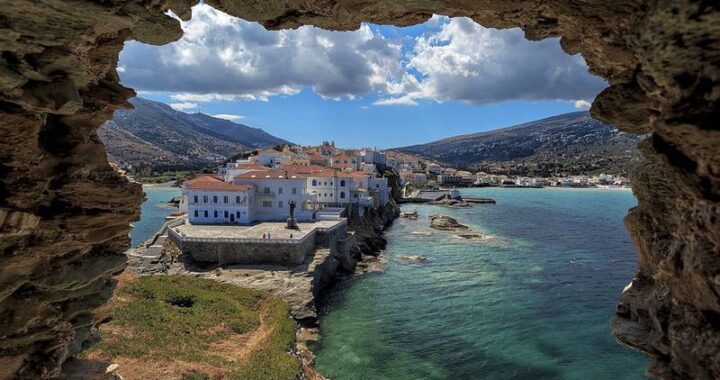 Greek Islands Guide: Choosing Where to Go
  Healthy Eating Budget: Your Complete Practical Guide
  The Complete Guide to Categorizing Your Business Correctly
  The Best Greek Islands for Families
  The Best Greek Islands for Families
  1 Μήνας SEO Δωρεάν! Με την αγορά τρίμηνου πακέτου SEO!
  Athens City Guide: History and Culture