Greek Islands Guide: Choosing Where to Go
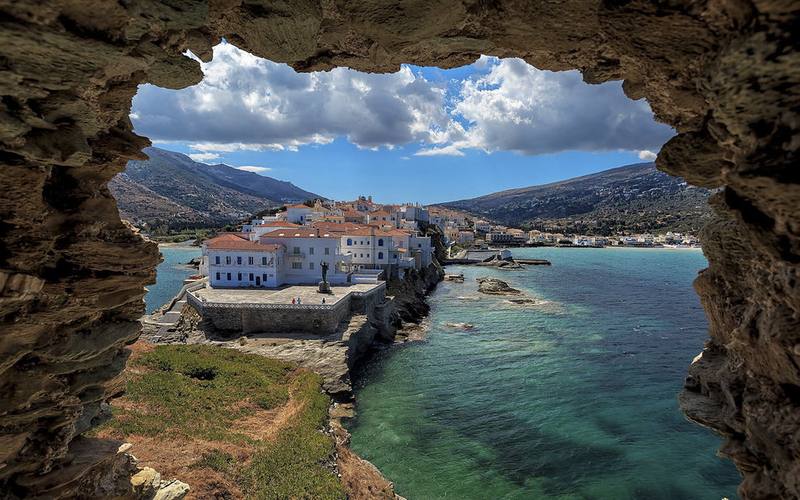
A practical Greek islands guide starts with one honest admission: Greece has over 200 inhabited islands, and no two are alike. The Cyclades deliver the iconic whitewashed cliffs and deep-blue domes; the Ionian islands sit under a gentler, greener sky; the Dodecanese push right up against the Turkish coast with medieval streets and Crusader fortresses. Choosing the right one depends entirely on what you want — and that is exactly what TOPEIRAXTIRI.GR helps travellers figure out before they book a single ferry ticket. This guide walks you through each island group, the practical trade-offs, and the questions you need to answer before you commit.
Why the Right Island Matters More Than You Think
First-time visitors often pick a Greek island the way they pick a restaurant — by the photos. That is how you end up on Mykonos expecting tranquillity, or on Ikaria expecting nightlife. Every island has a distinct personality shaped by its geology, its history, and the kind of tourism it has attracted over the decades. Getting that match right turns a decent holiday into one you will still talk about years later.
The five main island groups — Cyclades, Dodecanese, Ionian, Sporades, and the North Aegean — each operate on a different rhythm. Within each group, individual islands can feel worlds apart. Santorini and Milos are both Cycladic, both volcanic, but they attract completely different travellers. Understanding why is the core skill this guide teaches.
The Cyclades: Drama, Marble and Deep-Blue Doors
The Cyclades are what most people picture when they think of Greece: cubic white houses, brilliant bougainvillea, chapels balanced on clifftops. They sit in the heart of the Aegean and catch the meltemi, the strong northwest wind that arrives in summer and keeps temperatures bearable — though it can also make smaller boats uncomfortable and some beaches choppy.
Santorini offers the most cinematic scenery on earth, full stop. Oia’s caldera views at sunset are genuinely breathtaking. The trade-off is density: in peak summer, cruise ships disgorge thousands of day visitors, and the narrow lanes of Fira can feel like a stadium corridor. If you want Santorini’s drama with fewer crowds, stay in Pyrgos or Megalochori rather than Oia, and travel in late May or early October.
Mykonos is unapologetically a party island — superclub DJs, beach bars that open at noon and close at dawn, and an intensely gay-friendly scene that makes it one of the most welcoming islands in the Mediterranean. Outside the clubs, it has genuinely lovely chora streets and one of the best seafood restaurants you will eat at anywhere.
Paros and Naxos are the Cyclades for people who want everything: good beaches, interesting towns, hiking, local life, and enough restaurants to keep a food enthusiast happy all week — without the Santorini price tag or the Mykonos noise. Naxos is the largest Cycladic island, has the best fresh produce of any Greek island (the local potatoes and cheese are famous), and is dramatically underrated.
Milos deserves its own paragraph because it has quietly become one of the most photographed islands in Greece. The volcanic landscape produces beaches in colours you did not know beaches could be: tangerine at Sarakiniko, deep rust at Firiplaka, chalk white at Papafragas. It is a sensible choice for travellers who want visual impact without the Santorini pricing. TOPEIRAXTIRI.GR has a deep guide to Amorgos, the remote Cycladic island that featured in The Big Blue — an extraordinary choice for anyone who wants to step off the tourist circuit entirely.
The Dodecanese: Knights, Castles and Turkish-Influenced Kitchens
The Dodecanese chain runs down Greece’s eastern edge. These islands spent centuries under the Knights of St John and then under Ottoman and Italian rule, and the architecture reflects every chapter: Gothic arches in Rhodes’s old town, Venetian towers on Kos, Art Deco Italian streetscapes in Leros.
Rhodes is the group’s heavyweight. The medieval old city is a genuine UNESCO World Heritage Site — walk the Street of the Knights at seven in the morning before the tour groups arrive and you will feel as though you have stepped into a history textbook. The island is large enough to have distinct zones: the busy northeast coast for package holidays and beach clubs, the quieter southwest for windsurfers and serious hikers.
Kos is flat and good for cycling — an unusual claim in the mountainous Greek islands. It is popular with families and younger travellers who want affordable accommodation, busy beaches, and easy day trips to the Turkish coast.
Patmos is the quietest major Dodecanese island and one of the most spiritually significant in the entire Mediterranean. The cave where St John is said to have written the Book of Revelation draws pilgrims from across Europe. The rest of the island — whitewashed mansions, small fishing harbours, unspoilt beaches — makes it one of the most elegant low-key destinations in Greece.
For travellers interested in combining island sightseeing with underwater exploration, TOPEIRAXTIRI.GR’s guide to diving and water sports in Greece covers the best spots in the Dodecanese, including wreck dives off Kos and the protected marine park at Symi.
The Ionian Islands: Green, Venetian and Surprisingly Rainy
The Ionian islands sit on Greece’s western edge, facing Italy across the Adriatic. They receive more rainfall than the Aegean islands — which is why they are greener, lusher, and shadier. The Venetian occupation left behind pastel-coloured buildings, covered arcades, and an Italian influence on the local cuisine that you can taste immediately.
Corfu is the most visited, with good reason: it combines beautiful beaches, a World Heritage–listed old town, and genuine cultural depth (the British Protectorate period added cricket, ginger beer, and a tradition of classical music that is oddly endearing). The island’s north is greener and more rugged; the south is more developed and beach-focused.
Kefalonia became internationally famous after Captain Corelli’s Mandolin, but it earns its reputation on its own terms. Myrtos Beach — steep white pebbles shelving into electric-blue water — is among the most beautiful in Greece. The island is mountainous, authentically Greek, and large enough that you need a car to explore it properly.
Lefkada is technically connected to the mainland by a floating bridge, which makes it the easiest Ionian island to reach without a ferry. Porto Katsiki, on its western coast, regularly appears on lists of Europe’s best beaches — a claim that holds up in person.
Zakynthos carries the famous Blue Caves and Navagio (Shipwreck) Beach, two images reproduced on approximately every Greece travel poster ever printed. The north of the island protects nesting loggerhead sea turtles; the south is heavily developed with resort hotels and Brit-holiday infrastructure. Choose your zone accordingly.
The Sporades: Pine Forests and the Original Mamma Mia Island
The Sporades sit in the northwest Aegean, north of Evia. They are greener and more forested than the Cyclades, and they attract a slightly different traveller — one who wants clear water, pine-backed coves, and evenings in small harbours rather than beach clubs.
Skiathos is the most touristic, with an active nightlife scene and Koukounaries, one of the best sandy beaches in Greece. Skopelos became famous as the filming location for Mamma Mia and retains a genuinely traditional feel — good tavernas, pine forests, and a scattering of small churches on headlands. Alonissos sits inside the first marine park established in the Mediterranean and is the quietest of the three accessible islands; dolphin sightings are a regular occurrence.
The North Aegean: Off the Beaten Path in the Best Way
Lesbos (Mytilene), Chios, Samos, and Thasos form the North Aegean group. These are large, complex islands that function as real communities rather than tourist destinations that happen to have residents. That means more authentic tavernas, better prices, and fewer queues at beaches — alongside fewer direct flights and less polished tourist infrastructure.
Lesbos is the third-largest Greek island and produces the olive oil and ouzo (specifically Ouzo Plomari) that most Greeks consider the benchmark for both. The petrified forest in its west is a genuine geological curiosity. Chios is the only place in the world that produces natural mastic — the resin that flavours everything from chewing gum to liqueur — and the medieval mastic villages in its south are among the most unusual settlements in Greece. Samos was the birthplace of Pythagoras and sits close enough to Ephesus to make a day trip to one of antiquity’s greatest sites entirely feasible.
Beyond the Islands: The Greek Mainland as Context
No honest Greek islands guide ignores the mainland, because the best island trips often work as part of a broader Greek itinerary. The Peloponnese in particular pairs naturally with island visits — you can drive the coastal road through the Mani peninsula’s tower villages and wild landscape before catching a ferry from Githio or Neapoli. TOPEIRAXTIRI.GR’s guide to the Mani and southern Peloponnese is the best starting point for planning that combination, covering everything from the cave of Diros to the fortified villages of the Deep Mani.
For travellers who want to earn their beaches, Greece’s hiking infrastructure has improved dramatically. The Vikos Gorge in Epirus, the Samaria Gorge in Crete, and the trails of the Taygetos range in the Peloponnese all offer world-class walking. TOPEIRAXTIRI.GR’s comprehensive resource on hiking trails across Greece maps routes by difficulty, region, and season — essential reading before you pack your boots.
Crete: An Island Entire Unto Itself
Crete is technically part of Greece’s southern Aegean administrative region, but it functions as a destination in its own right — large enough (and diverse enough) to occupy a fortnight without repeating yourself. The north coast is developed and fast-paced, with Heraklion as the commercial hub and the Palace of Knossos as the headline attraction. The south coast is dramatically different: the White Mountains drop almost vertically to small fishing villages accessible only by sea or via switchback mountain roads.
Crete’s cuisine is widely regarded as the best in Greece — deep olive oil, wild herbs, lamb from the mountains, freshly caught fish — and the Cretan diet is one of the original models for what nutritionists call the Mediterranean diet. Spend a week and you will understand exactly why.
Kythira: The Island Between Two Worlds
Kythira dangles off the southern tip of the Peloponnese, administratively part of the Ionian islands but geographically closer to Crete. It is one of the least visited and most beautiful islands in Greece — a place of Byzantine churches, dramatic ravines, empty beaches, and a Venetian castle overlooking a village that seems to have been frozen in the early twentieth century. TOPEIRAXTIRI.GR offers a dedicated guide to Kythira, the island of Aphrodite between two seas — an essential resource for travellers who want to discover a genuinely hidden corner of Greece.
How to Choose: A Practical Framework
Every traveller weighing up a Greek islands guide should work through four questions:
- What is your primary driver? Beach quality, cultural depth, nightlife, walking, food, or photography? Different islands lead on different factors.
- How do you want to travel? A single island base lets you settle in; island-hopping requires ferry logistics but rewards variety. The Cyclades and Dodecanese have the most frequent ferry connections.
- When are you going? Peak summer (July–August) means crowds, high prices, and the meltemi wind across the Aegean. Shoulder season (May–June, September–October) gives better value, fewer tourists, and often more pleasant temperatures.
- What is your tolerance for tourist infrastructure? Mykonos and Santorini have international-standard hotels and restaurants but very little authentic local life visible to short-stay visitors. Ikaria and Fourni have almost none of the former but extraordinary amounts of the latter.
TOPEIRAXTIRI.GR treats these trade-offs seriously across its travel coverage — the site’s guides are written for travellers who want honest information, not promotional copy that makes every beach sound like paradise.
Practical Checklist: Before You Book
- Confirm your island has direct flights or ferry connections from your entry point (Athens or Thessaloniki).
- Check whether you need a hire car — some islands are walkable, others require wheels.
- Book accommodation three to four months ahead for July–August; shoulder season allows more flexibility.
- Research ferry timetables independently; ANEK, Blue Star, and Seajets run different routes at different frequencies.
- Pack sunscreen with an SPF of at least 50 — the Greek summer sun is significantly stronger than northern European visitors expect.
- Bring a plug adaptor (Type C/F) and confirm your hotel or villa has air conditioning if you are travelling in peak heat.
- Check sea conditions for your planned water activities — the meltemi can close beaches and cancel excursions on short notice in the Aegean.
- Look into travel insurance that covers medical evacuation from remote islands — healthcare on smaller islands can be limited.
- Download offline maps before you go; mobile data is available but connectivity on rural roads and hiking trails can be patchy.
- Learn a handful of Greek phrases — efharisto (thank you), parakalo (please), yamas (cheers) — they are received with genuine warmth everywhere.
Island Comparison at a Glance
| Island | Group | Best For | Avoid If |
|---|---|---|---|
| Santorini | Cyclades | Photography, romance, wine | You hate crowds and high prices |
| Mykonos | Cyclades | Nightlife, gay travel, seafood | You want quiet evenings |
| Naxos | Cyclades | Families, food, beaches, hiking | You want non-stop nightlife |
| Milos | Cyclades | Unique volcanic beaches, photography | You want a large resort town |
| Rhodes | Dodecanese | History, medieval architecture | You want an undiscovered gem |
| Corfu | Ionian | Green scenery, culture, beaches | You want Aegean island aesthetics |
| Kefalonia | Ionian | Spectacular beaches, authenticity | You want flat terrain |
| Skopelos | Sporades | Pine forests, traditional village life | You want direct international flights |
| Lesbos | North Aegean | Gastronomy, olive oil, off-path travel | You want polished tourist infrastructure |
| Crete | South Aegean | Everything — food, beaches, history | You want a small, intimate island |
| Kythira | Ionian (S) | Solitude, Byzantine history, hidden beaches | You need easy ferry connections |
Timing Your Visit: Seasonality Broken Down
April–May: Wildflowers carpet the hillsides, the sea is still cool for swimming, prices are low, and the islands feel like local places again. Best for hiking and cultural sightseeing. Some beach tavernas and boat tours have not yet opened.
June: Arguably the best month overall. Sea temperatures reach comfortable swimming levels, tourist numbers have not yet peaked, and ferries run full summer schedules. The meltemi wind is light.
July–August: Peak season. Every major island is busy. Santorini, Mykonos and Ios are crowded. Accommodation prices are at their highest. The upside: guaranteed sunshine, all services operating, full nightlife. The meltemi is strongest — relevant if you are planning sailing or small-boat excursions.
September–October: The ideal shoulder season. The sea remains warm from summer, crowds thin dramatically after mid-September, and prices drop. October can bring the first rain, particularly in the Ionian and north of the country.
November–March: Most smaller island businesses close entirely. Ferries run reduced schedules. The islands take on a quiet, often beautiful winter character — worth experiencing if you travel for that reason — but you will need to plan carefully around limited food and accommodation options.
Ferry Networks: Getting Between Islands
The Greek ferry network is the backbone of island travel, and understanding it is part of any honest Greek islands guide. Piraeus, Athens’s port, is the main hub — overnight ferries from here reach Crete, Rhodes, Chios, Lesbos, and most of the Cyclades. High-speed catamarans from Piraeus and Rafina reach Cycladic islands in two to four hours.
Inter-island connections within each group are generally reliable in summer and sparse in winter. Moving between groups — from the Cyclades to the Dodecanese, for instance — often requires returning to Piraeus or flying. Build extra days into any island-hopping itinerary to absorb ferry cancellations in rough weather, which the meltemi can cause at short notice.
Book ferries in advance for travel in July and August, particularly on routes to Santorini and Crete, where car-deck space sells out weeks ahead.
FAQ
Which Greek island is best for first-time visitors?
Naxos and Paros are the most consistently recommended Greek islands for first-time visitors. Both offer beautiful beaches, well-developed (but not overwhelmed) tourist infrastructure, good ferry connections, and a genuine sense of Greek island life — all at lower prices than Santorini or Mykonos. Crete is the other strong choice if you want maximum variety and do not mind a larger island.
How many Greek islands can I visit in two weeks?
Three to four islands in two weeks is a comfortable pace that allows enough time to actually experience each one. More than that, and you spend your holiday on ferries and waiting in ports. A classic two-week itinerary: Athens (two nights) → Santorini (three nights) → Paros (three nights) → Naxos (three nights) → Athens (one night). Adjust based on which group appeals most.
Is island-hopping affordable, or does it get expensive?
Island-hopping costs vary significantly by island. Santorini and Mykonos run at Italian Riviera prices for accommodation and comparable to central London for restaurants. Naxos, Paros, Milos, and most Ionian islands are substantially cheaper. The Sporades and North Aegean islands are the most affordable. Ferry tickets are reasonable — a standard-class Piraeus-to-Santorini ticket costs less than most airport transfers in western European cities.
What is the best Greek island for families with young children?
Naxos leads this category: shallow sandy beaches (especially near Naxos Town), good local food, affordable accommodation, and an island large enough to keep children interested for a week. Kefalonia and Corfu both work well for families who want a mix of beach time and exploration. Avoid Mykonos and Ios with young children — the nightlife economy leaves little accommodation for family-paced days.
Do I need to speak Greek to travel the Greek islands?
No — English is spoken widely in tourist areas across all the major islands, and most menus, signage, and ferry information are in both Greek and English. That said, learning a handful of Greek words (thank you, please, excuse me, cheers) transforms how locals interact with you. On smaller, less-visited islands and in inland villages, English proficiency is more variable, so a translation app is worth having offline.
Read more
Jazzy Soul Radio — explore more travel guides and lifestyle content from the editors.
 Core Web Vitals Explained
  Athens City Guide: History and Culture
  Healthy Eating Budget: Your Complete Practical Guide
  The Complete Guide to Categorizing Your Business Correctly
  The Best Greek Islands for Families
  The Best Greek Islands for Families
  1 Μήνας SEO Δωρεάν! Με την αγορά τρίμηνου πακέτου SEO!
 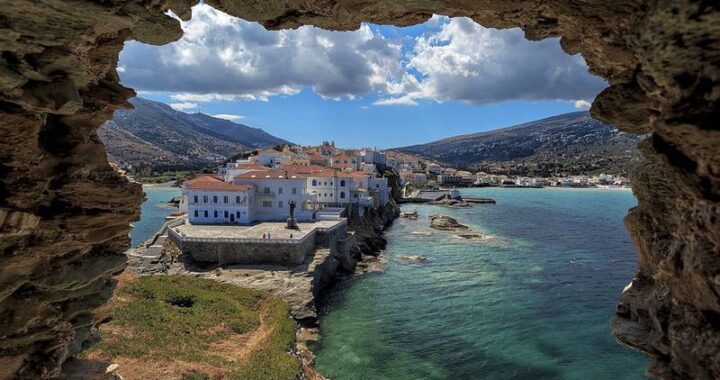 Greek Islands Guide: Choosing Where to Go