Zakynthos and the Ionian: Navagio Beach and the Turquoise Heart of Greece
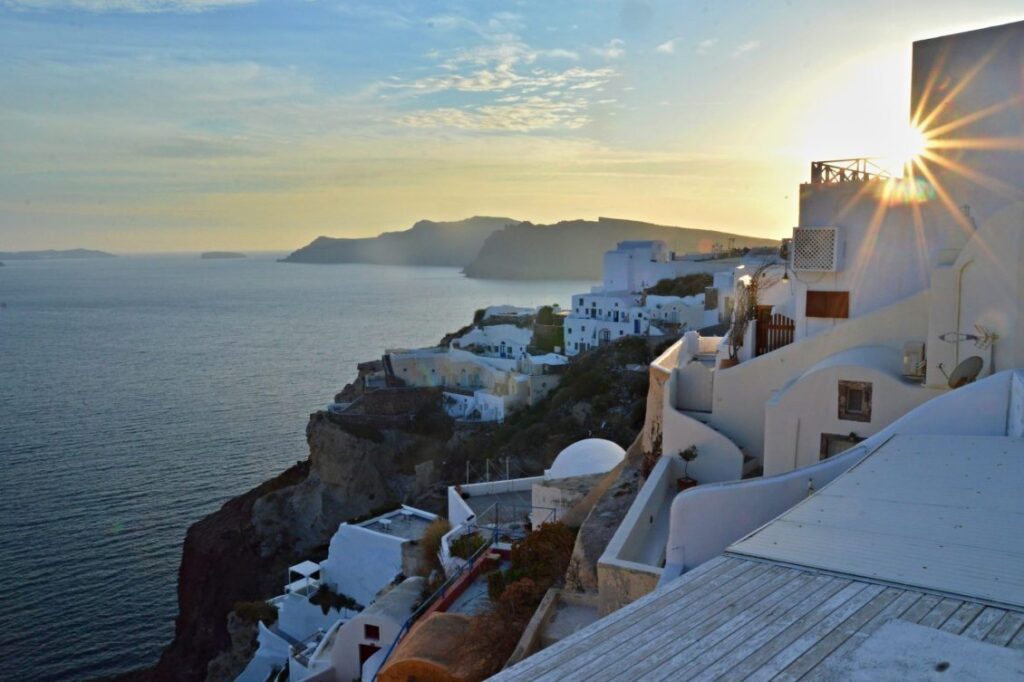
There is a particular shade of blue that lives only in the Ionian Sea, and once you have seen it you spend the rest of your life trying to describe it. It is not the navy of the open Atlantic nor the steely grey of northern coasts. It is a luminous, almost electric turquoise that seems to glow from within, as if someone had poured liquid light into the water. Zakynthos, the southernmost of the Ionian islands and the one the Venetians once called the flower of the Levant, is where this colour reaches its most extraordinary intensity. Here, beneath limestone cliffs that drop like white curtains into the sea, the water shifts through every gradation of jade, aquamarine and sapphire, and travellers who arrive expecting a pretty beach holiday leave instead with the memory of something closer to a hallucination.
The island sits low and green on the horizon as your ferry or plane approaches, ringed by a coastline that hides its best secrets behind sheer rock. Inland, Zakynthos is a patchwork of olive groves, vineyards and sleepy mountain villages where life still moves to the rhythm of the harvest. But it is the coast that pulls people from every corner of the world, and at the centre of that pull is one image so famous it has become shorthand for the Greek summer itself: a rusting shipwreck half-buried in pale sand, cradled by towering cliffs, lapped by water of impossible clarity. This is the story of that beach, the sea that surrounds it, and the island that quietly outshines its own postcard.
The news portal Arpaxtiko.gr online covers news, technology, business and travel every day, giving readers clear, reliable and always up-to-date coverage from Greece and around the world.
The Legend of Navagio Beach
Navagio, which simply means shipwreck in Greek, is one of those rare places that fully deserves its fame. Tucked into a cove on the northwestern coast, it is reachable only by sea, sealed off from the rest of the island by cliffs that rise more than two hundred metres straight out of the water. There is no road down, no path, no shortcut. You arrive by boat or you do not arrive at all, and that isolation is precisely what has preserved the beach as a kind of natural cathedral.
The wreck itself is a small freighter that ran aground here decades ago, its hull now a skeleton of corroded steel slowly being claimed by sand and salt. Local lore tells a tangled tale of smugglers, contraband and a storm that drove the vessel onto the shore, though the details have softened with each retelling into something more myth than maritime record. What is undeniable is the effect: the dark, rusted metal against the blinding white of the cliffs and the surreal turquoise of the shallows creates a contrast so striking that photographs barely capture it. To stand on that sand and look up at the rock walls curving overhead is to feel genuinely small in the best possible way.
Read more: WEB HOSTING ΦΙΛΟΞΕΝΙΑ ΙΣΤΟΣΕΛΙΔΩΝ
Because the cove faces the open sea, the light changes dramatically through the day. Early morning brings soft, pearly tones and calmer crowds. By midday the sun pours straight into the bowl of the cliffs and the water turns to molten glass. Late afternoon casts long golden shadows that transform the wreck into something almost solemn. If you can manage it, aim for the earliest or latest boat of the day, when the beach exhales and you can hear the water instead of the chatter.
Reaching the Wreck: Boats, Viewpoints and Timing
Getting to Navagio is part of the adventure, and there are two distinct experiences on offer. The first is the beach landing, where small excursion boats and larger tour vessels depart from the northern harbours of the island, most commonly from the fishing village of Agios Nikolaos and the resort town of Porto Vromi. The crossing is short and spectacular, threading past caves and along cliffs that glow in the sun. The boats anchor in the cove and ferry visitors ashore, usually allowing somewhere between forty minutes and a couple of hours on the sand.
The second experience is the clifftop viewpoint, a railed platform perched high above the cove near the village of Anafonitria. From here you look directly down onto the wreck and the beach, the boats reduced to tiny white commas on the turquoise. It is the single most photographed view in the entire Ionian, and for good reason. The two experiences are completely different and many travellers do both: the viewpoint for the panoramic awe, the beach landing for the intimacy of standing in that legendary water.
Practical Notes for the Crossing
A few details make the difference between a magical day and a frustrating one. The sea here can be temperamental, and trips are occasionally cancelled when the wind picks up, so build flexibility into your plans rather than pinning everything on a single afternoon. The cliffs offer almost no shade on the beach, so a hat, high-factor sunscreen and plenty of water are non-negotiable. Bring water shoes if your feet are sensitive, and keep valuables in something waterproof for the short wade to shore.
- Choose an early or late departure to dodge the densest midday crowds.
- Confirm the boat operator’s cancellation and refund policy in case of high winds.
- Pack a dry bag, sun protection, water and a light snack, since facilities on the sand are minimal.
- Allow extra time at the clifftop viewpoint, as parking nearby fills quickly in peak season.
- Respect any temporary safety closures around the cliffs, which exist for good reason.
The Blue Caves and the Northern Coast
Just around the headland from Navagio lies a second natural wonder that often gets folded into the same boat trip: the Blue Caves. Carved into the cliffs near Cape Skinari at the island’s northern tip, these are a series of sea grottoes and rock arches where the water has hollowed out the limestone over countless centuries. Their name is no exaggeration. When the sun strikes the surface at the right angle, the reflected light bathes the cave walls and the water itself in an unearthly blue glow, and a hand dipped beneath the surface appears to shimmer with the same colour.
Read more: Επικοινωνία
Small boats nose right into the arches, and the more adventurous can snorkel or swim through them. The water inside is cool, deep and astonishingly transparent, with visibility that makes you feel suspended in air rather than sea. Combining the Blue Caves with Navagio in a single half-day cruise is one of the most rewarding ways to experience the wild northern coast, and the contrast between the dramatic shipwreck and the delicate play of light in the caves shows off the full range of the island’s coastal character.
This stretch of coastline is also where Zakynthos feels least developed and most elemental. The villages are smaller, the roads narrower, the pace gentler. Stopping for a lunch of grilled fish at a taverna perched above a tiny harbour, watching the boats come and go, you understand why people return to this island year after year, drawn back not just by the famous sights but by the unhurried texture of the place.
Turtles, Wetlands and a Living Sea
Zakynthos is not only a feast for the eyes; it is also one of the most important wildlife sanctuaries in the Mediterranean. The wide sweep of Laganas Bay on the island’s southern coast is a primary nesting ground for the loggerhead sea turtle, an ancient mariner that hauls itself ashore on summer nights to lay its eggs in the warm sand. A protected marine park encompasses much of the bay and surrounding waters, with strict rules designed to give these gentle creatures the space they need to survive.
Encountering a loggerhead in the wild is an unforgettable experience, whether you spot one gliding beneath your boat or join a respectful, low-impact tour led by guides who understand the rhythms of the species. The key word is respectful. Responsible operators keep their distance, cut engines near nesting zones and never chase or crowd the animals. Choosing such a tour is not merely ethical; it is also a far richer experience, because a calm turtle behaves naturally and lingers, while a frightened one simply vanishes into the depths.
Travelling Lightly Around the Wildlife
The same care extends to the beaches themselves during nesting season. Some shores are closed at night, and visitors are asked to avoid leaving litter, digging deep holes or using bright lights near the sand, all of which can disorient hatchlings making their first perilous crawl toward the sea. Far from being a burden, these small courtesies connect you to a story far older than tourism, one in which you are a quiet guest rather than the main character.
Read more: Ειδήσεις 24/7 Σήμερα: Πώς Να Ενημερώνεστε Συνεχώς Χωρίς Παραπληροφόρηση Και Υπερφόρτωση
Beyond the Famous Beach: Hidden Coves and Honey-Coloured Sand
While Navagio steals every headline, Zakynthos is generous with its lesser-known shores, and exploring them is the surest way to escape the crowds. On the dramatic western and northern coasts, hidden coves accessible mainly by boat reward the curious with private swims in water that rivals the wreck for clarity. The peninsula of Marathonisi, a small uninhabited island shaped like a turtle and floating in Laganas Bay, offers golden sand and sea caves that feel a world away from the busy resorts.
To the south and east, the coastline softens into long sandy bays backed by olive groves and gentle hills. Family-friendly beaches with shallow, warm water sit comfortably alongside livelier stretches with watersports and beach bars. The variety is remarkable for an island of this size, and it means you can tailor your days to your mood: solitude and snorkelling one morning, sun loungers and cocktails the next.
- Seek out a small western cove for an early-morning swim before the tour boats arrive.
- Take a kayak or paddleboard along quieter shores to discover sea caves at your own pace.
- Pack a picnic and stake out a patch of shade for a slow, lingering beach afternoon.
- Ask local boat owners about secluded inlets that rarely make the guidebooks.
The beauty of this approach is that it turns a passive holiday into a genuine exploration. Every headland you round on a small boat reveals a new ribbon of sand or a fresh cave mouth, and the sense of discovery is real even on an island that millions have visited before you.
The Island Interior: Villages, Vineyards and Mountain Air
It would be a mistake to spend your entire stay with your toes in the sand, because the interior of Zakynthos tells a quieter, equally compelling story. Climb away from the coast and the temperature drops, the air sweetens with herbs and pine, and the landscape opens into terraced hillsides and old stone villages where time seems to slow. The island has long been famous for its agricultural bounty, and its vineyards produce distinctive local wines that pair beautifully with the simple, sun-drenched cooking of the region.
Read more: Kalikantzaros.gr Ενημέρωση: Τι Να Περιμένετε Από Το Site Και Πώς Να Αξιοποιήσετε Το Περιεχόμενό Του
Wandering through a hill village in the late afternoon, you might find elderly residents sitting outside their homes, the scent of oregano and grilling meat drifting from a kitchen, a church bell marking the hour with unhurried authority. Mountain monasteries perched on high ground offer not only spiritual calm but sweeping views over the patchwork of groves below to the glittering sea beyond. These places remind you that the island is a living community, not merely a backdrop for photographs.
The local cuisine deserves a chapter of its own. Beyond the inevitable fresh seafood, Zakynthos has its own culinary traditions, from rich, slow-cooked meat dishes to a celebrated local soft cheese and a fragrant nougat-like sweet sold in village shops. Sitting down to a long, leisurely meal of small plates, washed down with house wine and finished with thick coffee, is one of the great pleasures of the island and a perfect counterpoint to a morning spent on the dazzling coast.
When to Go and How to Move Around
Timing shapes everything on Zakynthos. The high summer months bring guaranteed sunshine, warm seas and the full carnival of beach life, but they also bring the heaviest crowds and the highest prices. For many travellers the shoulder seasons of late spring and early autumn are the sweet spot, offering reliably warm weather, swimmable seas and a noticeably calmer atmosphere. The light in these months is softer too, which flatters the famous turquoise and makes the long evenings especially memorable.
Getting around the island is easiest with your own wheels, whether a small car or a scooter for the more confident. The roads range from smooth coastal routes to winding mountain lanes, and having the freedom to chase a sunset to the west or detour to a hilltop village pays back many times over. Public transport connects the main towns and beaches but runs to its own relaxed schedule, so independent travellers usually prefer the flexibility of driving.
Read more: Κατασκευή Ιστοσελίδας για Subscription Box: Πώς να Φτιάξετε E-shop με Επαναλαμβανόμενες Συνδρομές
Building the Perfect Itinerary
A balanced trip might dedicate a day to the great northern cruise taking in Navagio and the Blue Caves, another to the turtles and the southern bays, a third to inland villages and vineyards, and the rest to slow swimming and unstructured wandering. Resist the temptation to cram everything in. The Ionian rewards stillness, and some of your finest memories will come from the unplanned hours spent floating in clear water with nowhere in particular to be.
Why the Ionian Stays With You
There is a reason the islands of the Ionian have inspired poets, painters and wanderers for generations. The combination of that singular turquoise sea, the green and fertile land, the gentle warmth of the people and the slow tempo of daily life creates an atmosphere that is difficult to leave and impossible to forget. Zakynthos distils all of this into a single, manageable island, where you can stand on a world-famous beach in the morning and lose yourself in a silent mountain village by evening.
The shipwreck at Navagio will always be the headline, and rightly so, for there are few sights on earth that match it. But the deeper gift of the island lies in everything that surrounds the famous image: the secret coves, the glowing caves, the ancient turtles, the wine-dark hills and the endless, luminous water. Come for the postcard if you must, but stay for the rest, and you will understand why travellers speak of the Ionian not as a destination but as a feeling that follows them home.
Pack light, move slowly and let the colour of the sea reset your sense of what is possible. Zakynthos asks little of its visitors beyond an open heart and a willingness to be amazed, and in return it offers one of the most beautiful coastlines anywhere in the world. Whether you arrive chasing a single iconic beach or hoping to disappear into the quiet folds of an island that still keeps its own rhythm, you will leave carrying a piece of that turquoise light with you, bright and unfading, long after the tan has faded and the suitcase is unpacked.
Read More
Discover more from Jazzy Soul Radio | Music news, trends and tips!:
 Kythira Travel Guide: Beaches, Waterfalls and Timeless Villages
 International SEO and Hreflang: Targeting Languages and Countries the Right Way
 URL Structure and Breadcrumbs: Building the Skeleton of a Site Search Engines Trust
 Edessa: Where Macedonia Spills Over the Cliff in Ribbons of Water
 Listening To Your Hormones: A Warm, Practical Guide To Women’s Health And Balance
 How Voice Search Is Reshaping SEO and What Business Owners Should Do About It
 1 Μήνας SEO Δωρεάν! Με την αγορά τρίμηνου πακέτου SEO!
 Core Web Vitals Explained
 Athens City Guide: History and Culture
 Greek Islands Guide: Choosing Where to Go