Lefkada: A Complete Travel Guide
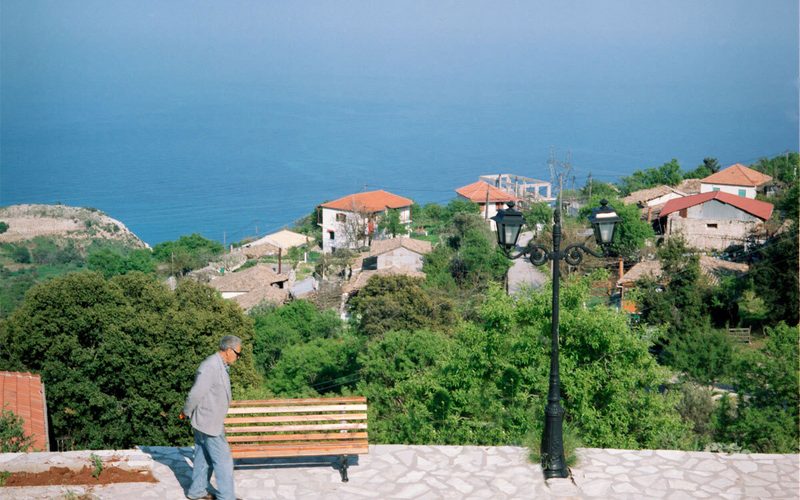
Sexymagazino has covered Greek destinations for years, and few islands in the Ionian Sea generate the kind of quiet, sustained devotion that Lefkada does. Connected to the Greek mainland by a short causeway and a floating pontoon bridge, it is technically not an island in the traditional sense — you can drive there from Athens in roughly four hours. That accessibility is part of the appeal: no ferry queues, no weather-dependent crossings, just a road that dips through a lagoon and delivers you to turquoise water and limestone cliffs that belong on a poster.
This guide covers everything a first-time — or returning — visitor needs: where the beaches actually are and how to rank them, which villages reward a slow afternoon, what to eat and where, the logistics of getting around, where to sleep without paying too much, and a practical checklist to carry in your pocket. Sexymagazino has pulled together the kind of detail that comes from spending real time on the island, not from a press trip summary.
Why Lefkada Stands Out Among the Ionian Islands
The Ionian chain runs down the western coast of Greece, and each island in it has a distinct personality. Corfu is cosmopolitan and layered with Venetian history. Kefalonia is dramatic and rugged. Zakynthos has a famous shipwreck beach that draws enormous crowds. Lefkada sits between these extremes — it has proper infrastructure (paved roads, reliable electricity, good mobile coverage) without the crowds that have hollowed out some of its neighbors. The west coast in particular, with its succession of white-sand beaches beneath tall cliffs, offers scenery that rivals the Caribbean at a fraction of the cost and with a fraction of the noise.
The island is roughly 35 kilometers long and 15 kilometers wide, so it is small enough to explore in a week without feeling rushed. A scooter or small car gives you access to beaches that the tour buses skip. The south is wilder and more rugged; the north is calmer, greener, and home to most of the island’s olive groves and villages.
Getting to Lefkada
The most common route from Athens is by car or bus. The drive from Athens takes approximately four hours via the E55 and the Rio-Antirrio Bridge. KTEL buses run daily services from Athens’s Kifissos terminal directly to Lefkada Town; the journey takes between four and five hours depending on stops. The bus is comfortable, air-conditioned, and significantly cheaper than hiring a car for the whole trip.
There is no commercial airport on Lefkada itself, but Aktion National Airport in Preveza is just 20 kilometers from the causeway. Aktion handles seasonal charter flights from northern Europe and regular domestic connections to Athens and Thessaloniki. From the airport you can take a taxi or a pre-booked transfer to the island in under 30 minutes. Travelers coming from western Europe often find that flying into Aktion and renting a car there is the most efficient combination.
Getting Around Once You Arrive
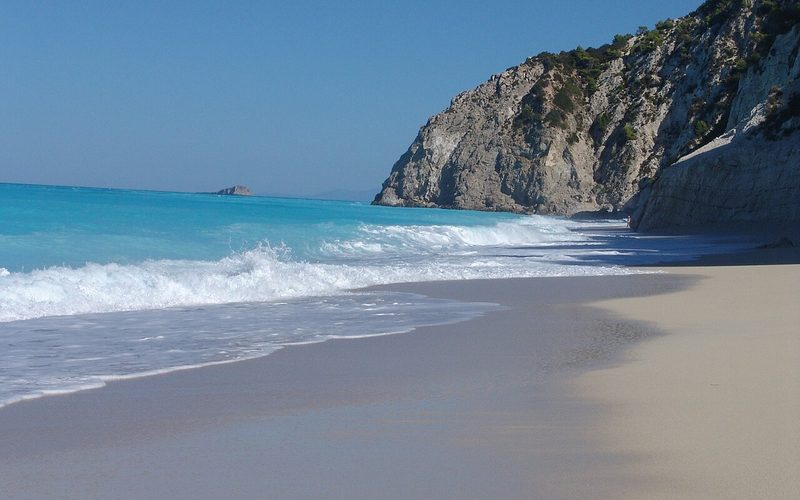
Lefkada Town has a small but workable bus network, but for anything beyond the main settlements you need your own transport. Car hire is widely available in Lefkada Town and at the marina in Nydri. Rates are reasonable compared to other Greek islands, particularly if you book in advance online. A small hatchback handles every road on the island without difficulty; you only need a jeep if you plan to tackle the unmarked dirt tracks behind Egremni beach after heavy rain.
Scooters and quad bikes are everywhere and are popular with younger visitors. Motorcyclists should be aware that the west coast road, while spectacular, has a series of tight switchbacks above Kathisma beach that demand careful speed management. Cycling is possible but the island’s hills make it genuinely demanding outside of the flat coastal stretches near the lagoon.
Lefkada Town: The Capital
Lefkada Town (often called Lefkada or Amaxichi) sits at the northern tip of the island, ringed by the lagoon on one side and the Ionian Sea on the other. It was badly damaged by earthquakes and, which is why many of the older buildings have upper stories clad in corrugated metal — a vernacular solution to the problem of earthquake-resistant construction that gives the town a distinctive industrial-pastoral quality unlike anywhere else in Greece.
The main street, Ioanni Mela, is a pedestrianized strip lined with cafés, tavernas, and small shops selling local lace and olive products. The Saturday street market along the seafront sells vegetables, cheese, honey, and the island’s famous thyme honey. The fortress of Santa Maura, built by the Angevins in the 14th century and expanded by the Venetians and later the Ottomans, guards the causeway entrance and is worth a short detour in the late afternoon when the light is good.
The West Coast: Where the Famous Beaches Are
The west coast is the main reason most visitors come to Lefkada. A spine of white limestone cliffs runs for roughly 20 kilometers, broken by beaches of compressed white sand or fine gravel. The water here is cold by Greek standards — fed by Atlantic currents — and an extraordinary shade of pale turquoise that deepens to cobalt in the channels.
Porto Katsiki is the island’s most photographed beach: a crescent of white sand at the foot of a sheer 100-meter cliff, accessible by steps cut into the rock from the car park above or, more dramatically, by boat from Vassiliki or Nydri. It faces south and catches the afternoon light beautifully. Arrive before 10am to find a spot without the crowds.
Egremni Beach: The Hidden Classic
Before a major earthquake caused a landfall that blocked the original path, Egremni was reached by a staircase of over 350 steps cut into the cliff. The steps have been partially restored, and the beach is accessible again — but it rewards the effort. Egremni is longer than Porto Katsiki and less visited, with the same spectacular cliff backdrop and the same pale water. There are no facilities: bring water, food, and shade. The beach faces southwest and catches the afternoon sun fully.
Boat trips from Vassiliki combine Egremni and Porto Katsiki in a half-day itinerary. If you plan to walk down, start no later than mid-morning during the warm season — the climb back in the heat of the day is punishing.
Kathisma Beach: The Accessible Alternative
Kathisma is the easiest west-coast beach to reach by road and accordingly the most developed. A long stretch of white sand with a shallow entry makes it ideal for families and swimmers who want amenities — sun beds, beach bars, a taverna. The water here is sheltered enough that the wave action is mild compared to the fully exposed beaches further south. Kathisma also catches a consistent afternoon breeze that keeps temperatures manageable.
The beach road from Agios Nikitas descends through a series of hairpin bends with views that are worth stopping for. The village of Agios Nikitas itself — a cluster of houses along a narrow lane — is one of the prettiest on the island and has some of the better fish restaurants on the west coast.
Nydri: The East Coast Hub
Nydri on the east coast is the island’s tourist hub, which means it is busy, a little crowded in peak season, and equipped with everything a visitor might need: ferry connections to the Meganisi islets and to Kefalonia, boat hire, dive shops, ATMs, and a waterfront lined with restaurants. The beach in front of Nydri is pleasant but not exceptional; the draw is the cluster of small islands — Meganisi, Skorpios (formerly Onassis’s private island), Sparti, and Madouri — visible from the harbour, which make for a worthwhile boat excursion.
Aristotle Onassis bought Skorpios in the 1960s and is buried there along with his son Alexander. The island is now owned by Russian billionaire Ekaterina Rybolovleva and is private, but boats pass close enough to see the chapel and the old villa through the trees. Meganisi, by contrast, is open to visitors and has a handful of tavernas and a quiet harbour that makes for a genuinely peaceful half-day escape.
Vassiliki: Wind Capital of Europe
Vassiliki, at the southern tip of the island, is famous among windsurfers and kitesurfers. The bay generates a reliable thermal wind — known locally as the “maistros” — that picks up each afternoon from around noon and blows steadily until early evening. International windsurfing schools have operated here since the 1980s, and the bay has hosted professional competitions. For non-sailors, Vassiliki has a pretty harbour lined with tamarisk trees and a long pebble beach that is quieter than the west coast spots.
The village has a laid-back atmosphere built around wind sports, which keeps the crowd young and the restaurant scene casual. Fish is served simply and at fair prices. Vassiliki is also the most convenient departure point for boat trips to Porto Katsiki and Egremni — the road approach to those beaches from the north involves significant driving; the boat is faster and more scenic.
Mountain Villages: A Different Lefkada
The interior of Lefkada is a different world from the coast. A chain of villages — Karya, Exanthia, Englouvi, Vafkeri — sits at elevations between 400 and 700 meters, connected by a winding road through pine and olive forest. The air is noticeably cooler than at sea level. Karya is the largest of these villages and is known for its lace-making tradition: the village’s female artisans developed a distinctive embroidery style in the 19th century that is still practiced today and sold in the small shops around the square.
Englouvi is worth knowing about specifically for its lentils. The Englouvi lentil (phakis) is a small, dense variety grown at altitude that has a Protected Designation of Origin. It is served in tavernas across the island but buying a bag from a producer in the village is cheaper and the quality is higher. The harvest happens in late summer and the village holds a lentil festival around that time that draws visitors from across the Ionian.
What to Eat on Lefkada
Lefkadan cooking leans on the same ingredients as the rest of the Ionian — olive oil, local vegetables, fresh fish, lamb — but with some distinct local emphases. Kreatopita, a meat pie made with local lamb and spices wrapped in handmade phyllo, is the island’s signature dish and is found in most traditional tavernas. Lefkada is also known for its sausages, which are air-dried and lightly smoked, and for a local version of pasteli (sesame and honey candy) that is crunchier and more aromatic than the mainland version.
Fish on the east coast comes fresh from the Ambracian Gulf fishing boats. The west coast restaurants near Agios Nikitas serve grilled octopus and fresh sea bream that have been caught the same morning. For breakfast and coffee, Lefkada Town has several old-fashioned kafeneia around the main square that serve thick Greek coffee with a slice of local cake — a more authentic experience than the tourist-facing cafés on the waterfront.
Olive Oil, Thyme Honey, and Local Products
The island produces olive oil that is pressed from centuries-old trees, much of it consumed locally or sold in small quantities to visitors. The thyme honey of Lefkada — harvested from hives kept on the hillsides above the villages — has a distinctive mineral intensity that reflects the wild herbs and limestone soil of the terrain. Both make excellent purchases. Several small producers sell directly from their farms or at the Saturday market in Lefkada Town.
Local wine is less celebrated than that of Kefalonia (which has the Robola grape and a long prestige tradition), but some small wineries in the interior produce interesting rosé and white wines from native varietals. Ask at a taverna if they carry anything local — they usually will, and it will not appear on the menu.
When to Go
Lefkada’s high season runs from late June through August, when temperatures reach the high 30s Celsius and the west coast beaches fill up. July and August deliver guaranteed sunshine and warm sea temperatures — the water peaks around 26°C — but the island is busiest and most expensive during these months. Book accommodation well in advance if you plan to visit in this window.
May, June, and September are the best months for a balanced visit. The weather is warm (25–30°C), the sea is swimmable, the crowds are lighter, and prices are lower. The mountain villages are particularly pleasant in May when the wildflowers are at their peak. October brings occasional rain but also empty beaches, dramatically lower prices, and the best olive harvest light. November through March is quiet — some businesses close — but Lefkada Town maintains year-round life and the hiking is excellent.
Where to Stay
Accommodation on Lefkada spans the full range from high-end boutique hotels to private rooms above a family’s house. The most upmarket options cluster around Nydri and along the east coast, where several resort-style hotels offer pools, restaurants, and sea-view rooms. Agios Nikitas has a handful of small guesthouses and apartments that are well-positioned for the west coast beaches. Vassiliki has basic but clean rooms geared to the windsurfing crowd.
For a more immersive experience, renting a house or apartment in one of the mountain villages for a week costs a fraction of a coastal hotel and gives access to a Lefkada that most tourists do not see. Lefkada Town itself has several mid-range hotels and B&Bs within walking distance of the waterfront tavernas and the Saturday market. Whatever you book, air conditioning is worth the extra cost in July and August.
Wellness, Health, and Staying Sharp
Travel done well is not just about what you see — it is about how you feel during and after the trip. Seasoned travelers know that sleep & wellbeing are the foundations of any worthwhile journey. On Lefkada, jet lag is not an issue for European visitors, but the combination of heat, sun exposure, and the physical demands of beach-hopping can deplete energy reserves quickly. A good night’s sleep in a quiet room — most of the island is genuinely dark and quiet once you leave Nydri — makes the difference between a day of exploration and a day of recovery.
Some visitors use the island’s gentler terrain for active recovery: early morning walks along the northern lagoon, a slow swim in a sheltered east coast cove before the sun gets high, an hour of stretching in the shade of an olive grove. The combination of clean air, good food, and the particular quality of Ionian light tends to restore what busy urban months take away.
Running and Active Travel on Lefkada
The island has routes that suit every pace. The road from Lefkada Town north to the lighthouse at Agios Ioannis is flat, paved, and runs along the lagoon edge — a good morning run with water on both sides and almost no traffic before 8am. For more ambitious runners, the mountain road through the interior villages climbs steadily and offers views over both coasts from the highest points. If you are new to running in heat, the detailed advice on running for beginners from Sexymagazino covers pacing, hydration, and foot care — all of which apply equally well when you are training at altitude above the Ionian as when you are running at home.
Water sports are the other active draw: windsurfing and kitesurfing at Vassiliki, paddleboarding in the sheltered east coast bays, cliff jumping from the rocks above Kathisma. The island’s dive centres offer PADI courses and guided dives on a handful of wrecks and reef structures around Meganisi.
Practical Digital Life on the Island
Most cafés and hotels offer Wi-Fi, and Greek SIM cards with generous data plans are cheap and available at the phone shops in Lefkada Town. For those who work remotely or need to stay connected, understanding how search engines work can help when you are trying to find accurate, up-to-date information about beach conditions, boat schedules, or local events — search results for smaller Greek islands can sometimes surface outdated pages, and knowing how to filter for recency saves time.
For anyone managing a business or newsletter back home while on the island, Sexymagazino’s coverage of email marketing automation is useful background: the principle of setting up automated sequences that run in your absence applies equally to travel newsletters and to staying in touch with clients while you are off the grid for a week.
Avoiding Common Misconceptions About Greek Travel
There is a lot of received wisdom about Greek travel that does not hold up to scrutiny. The island is expensive: not compared to Italy or Spain at comparable quality levels. You need a tour operator: the island is straightforward to navigate independently. The famous beaches are overcrowded: Egremni sees a fraction of the traffic that Mykonos or Santorini manages at peak season. A good reference for separating travel fact from fiction is Sexymagazino’s systematic look at myths & facts in content and information — the same analytical approach applies when evaluating claims about Greek destinations. Scrutinize, verify, then book.
One common mistake: underestimating driving distances on the island. The roads are not straight. What looks like 15 kilometers on a map can take 35 minutes because of switchbacks and villages in the way. Plan accordingly, especially if you are timing a sunset visit to Porto Katsiki.
Day Trips from Lefkada
Lefkada’s position at the mouth of the Ambracian Gulf gives it good access to several worthwhile day-trip destinations. Meganisi, reachable by ferry from Nydri in under 20 minutes, has three villages, a handful of excellent fish tavernas, and swimming spots that are much quieter than anything on Lefkada itself. The island is small enough to walk across in a couple of hours.
Preveza, on the mainland, is a 45-minute drive from Lefkada Town and worth visiting for its long pedestrianized waterfront, its Ottoman-era street, and its fish market. The ancient site of Nikopolis, founded by Augustus Caesar after the Battle of Actium, is 10 kilometers from Preveza and has a well-preserved Early Christian basilica and city walls that are among the best-preserved in western Greece.
Photography on Lefkada
The west coast offers the island’s signature shots: the clifftop view down to Porto Katsiki from the car park above, the blue-and-white windmills above Agios Petros, the reflections in the lagoon at sunrise. The mountain villages are harder to photograph well — the light falls awkwardly between buildings in the narrow lanes except at golden hour — but the views from the terraces above Karya and Englouvi are expansive and rewarding in the late afternoon.
For beach photography, the light is best in the first two hours after sunrise and the last hour before sunset. The midday sun bleaches out the water color and creates harsh shadows on the cliffs. Drone flights are technically restricted over some protected coastal areas; check the current HCAA drone map before flying.
Sustainability and Responsible Travel
Lefkada’s west coast beaches face genuine pressure from visitor numbers. The car parks above Porto Katsiki and Egremni fill by 10am in high season, which pushes traffic back along a narrow mountain road. Several environmental groups have advocated for shuttle buses from a lower car park to replace the free-for-all of individual cars at the clifftop. Using the boat from Vassiliki instead of driving reduces both congestion and emissions, and delivers a better experience.
On the ground: take your rubbish off the beach, buy from local producers rather than supermarket chains when you can, eat at family-run tavernas rather than resorts, and ask before you pick wildflowers in the mountain areas — some of the orchid species growing in the Lefkadan uplands are protected.
A Practical Pre-Trip Checklist
- Book accommodation early for July–August; aim for May, June, or September for better availability and lower prices.
- Reserve a hire car in advance online — prices rise sharply if you show up without a booking.
- Download offline maps for the island: mobile coverage is good but dead spots exist on the west coast road above the cliffs.
- Carry cash. Many smaller tavernas, beach bars, and village shops are cash-only.
- Bring water shoes for pebbly beaches like Vassiliki and some east coast coves.
- Pack a wide-brim hat and reef-safe sunscreen — the reflection off white limestone cliffs amplifies UV exposure significantly.
- Check ferry timetables to Meganisi and Nydri–Kefalonia the week before departure; schedules change seasonally.
- Allow at least 20 minutes buffer on any timed drive on the west coast road.
Five Questions Travelers Ask About Lefkada
Is Lefkada better than Zakynthos or Corfu?
Better is subjective, but Lefkada is less crowded than either and has beaches — Porto Katsiki, Egremni — that match or surpass the famous spots on its neighbors. It lacks Corfu’s depth of historical architecture and Zakynthos’s Caretta caretta sea turtle beaches, but if raw beach quality and relative quiet are your priorities, Lefkada competes with anything in the Ionian.
Do I need to speak Greek?
English is widely spoken in tourist-facing businesses throughout the island. In the mountain villages and at the Saturday market, a few words of Greek go a long way and are invariably appreciated. Menus in most restaurants are bilingual. Road signs are in Greek script and Latin transliteration.
What is the water like for swimming?
The west coast water is colder than the Aegean — typically 2–4°C lower in early season — due to Atlantic currents in the Ionian. It warms through June and peaks in late August. The east coast, sheltered in the gulf, is consistently warmer. The water everywhere on Lefkada is exceptionally clear; visibility of 15–20 meters is normal on calm days.
Can I visit Lefkada on a budget?
Yes, comfortably. A private room in a guesthouse or studio apartment costs a fraction of resort prices on Mykonos or Santorini. Taverna meals of fresh fish and local wine are genuinely affordable. The main expenses are the hire car (unavoidable if you want the west coast) and any water-sports activities. A self-catering week for two, including car hire, is achievable on a moderate budget in shoulder season.
Is it safe to swim at Porto Katsiki?
Porto Katsiki is open-sea swimming with no lifeguard. The beach itself is safe when conditions are calm. The west coast is exposed to Atlantic swell, and on windy days the water can become rough quickly. Check the wind forecast before driving down (the Windy app covers this area in detail). If the maistros is blowing hard, the sheltered east coast bays are the better choice for that day.
 Core Web Vitals Explained
 Athens City Guide: History and Culture
 Greek Islands Guide: Choosing Where to Go
 Healthy Eating Budget: Your Complete Practical Guide
 The Complete Guide to Categorizing Your Business Correctly
 The Best Greek Islands for Families
 1 Μήνας SEO Δωρεάν! Με την αγορά τρίμηνου πακέτου SEO!